
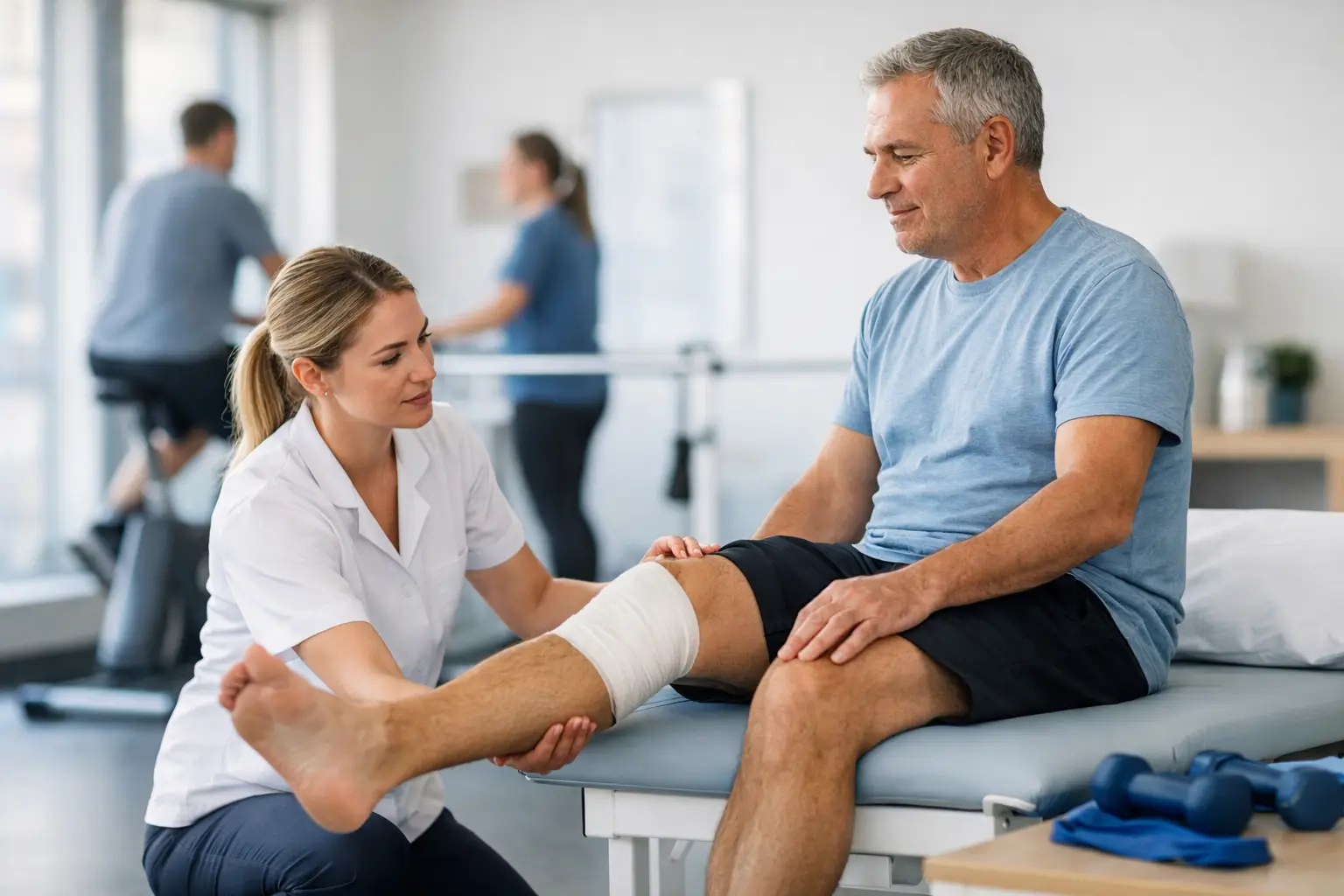
The first question after an operation is often practical: when to start rehab after surgery. You may be managing swelling, an incision, pain medication, a brace, or a long list of instructions from your surgeon. At the same time, you may worry that waiting too long will leave you stiff and weak. The right answer is rarely a single date on the calendar. It is a plan based on your procedure, healing status, surgeon’s precautions, and the activities you need to get back to.
For many procedures, rehabilitation begins sooner than people expect. Early rehab does not necessarily mean strenuous exercise or pushing through pain. It may mean learning how to move safely, using an assistive device correctly, controlling swelling, protecting the surgical area, and starting carefully chosen motion. The goal is to support healing while preventing avoidable setbacks.
When to Start Rehab After Surgery
Your surgeon’s post-operative instructions should guide the timing of therapy. Some patients see a physical or occupational therapist within a few days of surgery. Others need a short period of protection before formal rehabilitation begins. After certain repairs, particularly involving tendons, ligaments, fractures, or complex joint reconstruction, the timeline may be more conservative because the healing tissue needs time before it can tolerate specific movements or loads.
This is why comparing your recovery to a friend’s knee, shoulder, or back surgery can be misleading. Two people may have surgery on the same body part but have different procedures, tissue quality, medical histories, and activity goals. A therapist works within your surgeon’s protocol and adjusts care based on how your body is responding.
Starting at the appropriate time matters for several reasons. Prolonged inactivity can contribute to stiffness, muscle loss, poor balance, and difficulty returning to normal routines. Starting too aggressively, however, can irritate healing tissue, increase swelling, or compromise a repair. Good rehabilitation respects both sides of recovery: protecting the surgery and restoring function.
What Determines Your Rehabilitation Timeline?
The type of surgery is the biggest factor. A joint replacement often includes early walking and mobility work, sometimes on the day of surgery or the following day. Arthroscopic procedures may allow motion and light activity relatively quickly, but the details depend on what was repaired or removed. A tendon repair may require weeks of protected movement before active strengthening begins.
Your surgeon may also set restrictions on weight bearing, lifting, range of motion, driving, or use of a sling, boot, brace, or walker. These instructions are not obstacles to therapy. They are the guardrails that let therapy move forward safely.
Your overall health can affect the pace as well. Diabetes, circulation concerns, smoking, infection risk, osteoporosis, chronic pain, and previous injuries can all influence healing. So can the demands waiting for you outside the clinic. Someone hoping to return to a physically demanding job may need a different progression than someone whose immediate goal is to climb stairs safely at home. An athlete preparing to return to a cutting or overhead sport will need more than pain relief and basic mobility.
The quality of your recovery in the first days and weeks also matters. Swelling that is steadily improving is different from swelling that suddenly worsens. Expected soreness after exercise is different from sharp pain, increased warmth, drainage, fever, or a significant change in function. Your therapist can help you understand normal recovery symptoms, but new or concerning symptoms should be reported promptly to your surgical team.
What Early Rehabilitation Usually Looks Like
Early therapy is often quieter and more purposeful than people imagine. Your first appointment may include a conversation about your surgery, precautions, home setup, work responsibilities, and goals. Your therapist will assess movement, strength, swelling, sensation, balance, gait, and how well you can manage essential daily tasks.
Treatment may start with education and simple strategies: positioning the limb, using ice or compression when appropriate, managing stairs, getting in and out of bed, or safely putting on socks and shoes. Hands-on treatment may be used when it fits your procedure and stage of healing. You may begin gentle range-of-motion exercises, muscle activation, breathing strategies, circulation exercises, or walking practice.
For upper-extremity surgery, occupational therapy can be especially valuable when pain or restrictions affect dressing, bathing, cooking, computer work, driving, or other hand and arm tasks. For lower-extremity or spine surgery, physical therapy often focuses early on safe transfers, walking mechanics, balance, and building confidence with movement.
A successful first phase is not measured by how hard you work out. It is measured by whether you can move more safely, follow your precautions, keep symptoms manageable, and make steady progress without irritating the surgical site.
The Progression From Protection to Performance
As healing advances, rehabilitation usually shifts from protection toward mobility, strength, endurance, and task-specific movement. The pace should be gradual. A person recovering from a rotator cuff repair may work through carefully staged shoulder motion before lifting or overhead strength is introduced. Someone recovering from a total knee replacement may progress from basic walking and knee motion to stair control, strength, and more demanding activities.
Later therapy should connect directly to your life. That might mean carrying groceries, walking a dog on uneven ground, getting through an eight-hour workday, kneeling for a job task, returning to the golf course, or safely lifting a child. Generic exercises have a place, but they should serve a functional goal.
Signs You Should Not Wait to Ask for Help
You do not need to wait until you feel completely stuck to contact a rehabilitation provider. If your surgeon has cleared therapy and you are struggling with pain, stiffness, swelling, weakness, walking, balance, or everyday activities, an evaluation can clarify what is appropriate now.
Reach out to your surgeon sooner if you have red-flag symptoms such as chest pain, shortness of breath, calf pain with unusual swelling, fever, worsening redness or drainage around the incision, sudden loss of function, or pain that is severe and escalating. Those concerns require medical guidance, not an attempt to exercise through the problem.
It is also worth asking for help if fear is limiting your movement. After surgery, many people are understandably cautious. But avoiding all motion can make recovery harder. A therapist can show you which movements are protected, which are encouraged, and how to build trust in your body one step at a time.
How to Prepare for Your First Therapy Visit
Bring your surgical instructions, medication list, brace or assistive device if you use one, and any relevant imaging or referral information you have been given. Wear clothing that allows the therapist to assess the area comfortably. Be ready to discuss your daily routine honestly, including stairs at home, caregiving responsibilities, work tasks, sports, and the movements you are most concerned about.
Ask direct questions. What can I safely do at home? Which symptoms are expected? How much discomfort is acceptable during exercise? When can I return to driving, work, or recreation? What should make me call my surgeon? Clear answers help you participate actively without guessing.
At Saunders Therapy Centers, individualized post-surgical rehabilitation begins with understanding both the procedure and the person recovering from it. Whether your goal is a more comfortable walk, a return to work, or getting back to the activities that make Minnesota life feel like yours, your care plan should be built around real progress, not a one-size-fits-all timeline.
The best time to begin is the time your surgical team says it is safe, paired with the right level of professional guidance. Recovery is not a race to do more. It is a steady return to the movements and moments that matter to you.