Key Takeaways
- Customized work conditioning programs help bridge the gap between recovery and returning to a full work schedule.
- Job simulation exercises prepare your body for the real physical demands of your specific occupation.
- Return-to-work physical therapy programs build both physical capability and the confidence needed to work safely again.
 Customized work conditioning programs help people safely return to work by rebuilding the strength, endurance, functional abilities, and confidence needed to perform their specific job duties. Through personalized training, job simulation exercises, and structured return-to-work physical therapy programs, individuals can gradually prepare for the real demands of their occupation and feel more capable of handling a full workday.
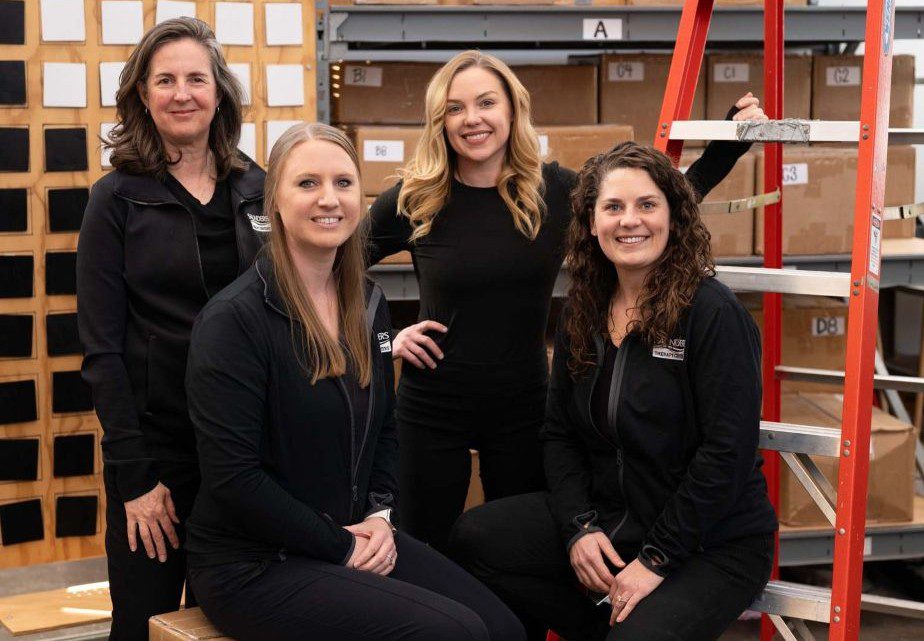
For workers in St. Paul, MN, and surrounding Twin Cities communities, Saunders Therapy Centers, Inc. specializes in helping individuals bridge the gap between recovery and returning to work. Their team focuses on customized work conditioning programs that are designed around each person’s job requirements, helping patients regain the physical capacity and mental confidence needed to safely return to their careers.
Many people reach a point where their pain has improved, but they still wonder whether they can handle lifting, standing, walking, pushing, pulling, or performing repetitive tasks for an entire shift. If that sounds familiar, you’re not alone. The good news is that the right return-to-work physical therapy programs can help you rebuild trust in your body, practice real job tasks through job simulation exercises, and confidently say, “I can work again!”.
Why Standard Physical Therapy for Workers Compensation Clients Isn’t Always Enough
Traditional workers compensation physical therapy plays a critical role in initial recovery. It helps reduce pain, restore movement, and improve strength
However, most physical therapy programs are not designed to fully prepare someone for the specific physical demands of their occupation.
Being able to lift a weight a few times during therapy is very different from lifting throughout an entire shift.
Walking for ten minutes in a clinic is different from spending eight hours on your feet.
This is why many people reach a plateau. Their recovery is progressing, but they still don’t feel work-ready. That’s where customized work conditioning programs become the next step.
Think Like an Industrial Athlete
 Your job is your sport. Professional athletes don’t go directly from injury rehab to playing a championship game.
They go through specialized training designed to prepare them for the exact demands of their sport.
The same principle applies to workers.
Whether you’re a:
- Delivery driver
- Nursing assistant
- Construction worker
- Manufacturing employee
- Warehouse worker
- Utility technician
- Maintenance professional
You are essentially an industrial athlete. Your body performs physical tasks every day. Returning safely requires training that prepares you for your specific “sport”—your job.
At Saunders Therapy Centers, customized work conditioning programs focus on rebuilding the physical and mental abilities required for real-world work activities. Their approach includes individualized plans based on a comprehensive evaluation and progressive work simulation activities.
How Customized Work Conditioning Programs Work
Step 1: Understanding Your Job
Every occupation has unique physical demands.
A nursing assistant faces different challenges than a truck driver.
A warehouse worker has different requirements than an electrician.
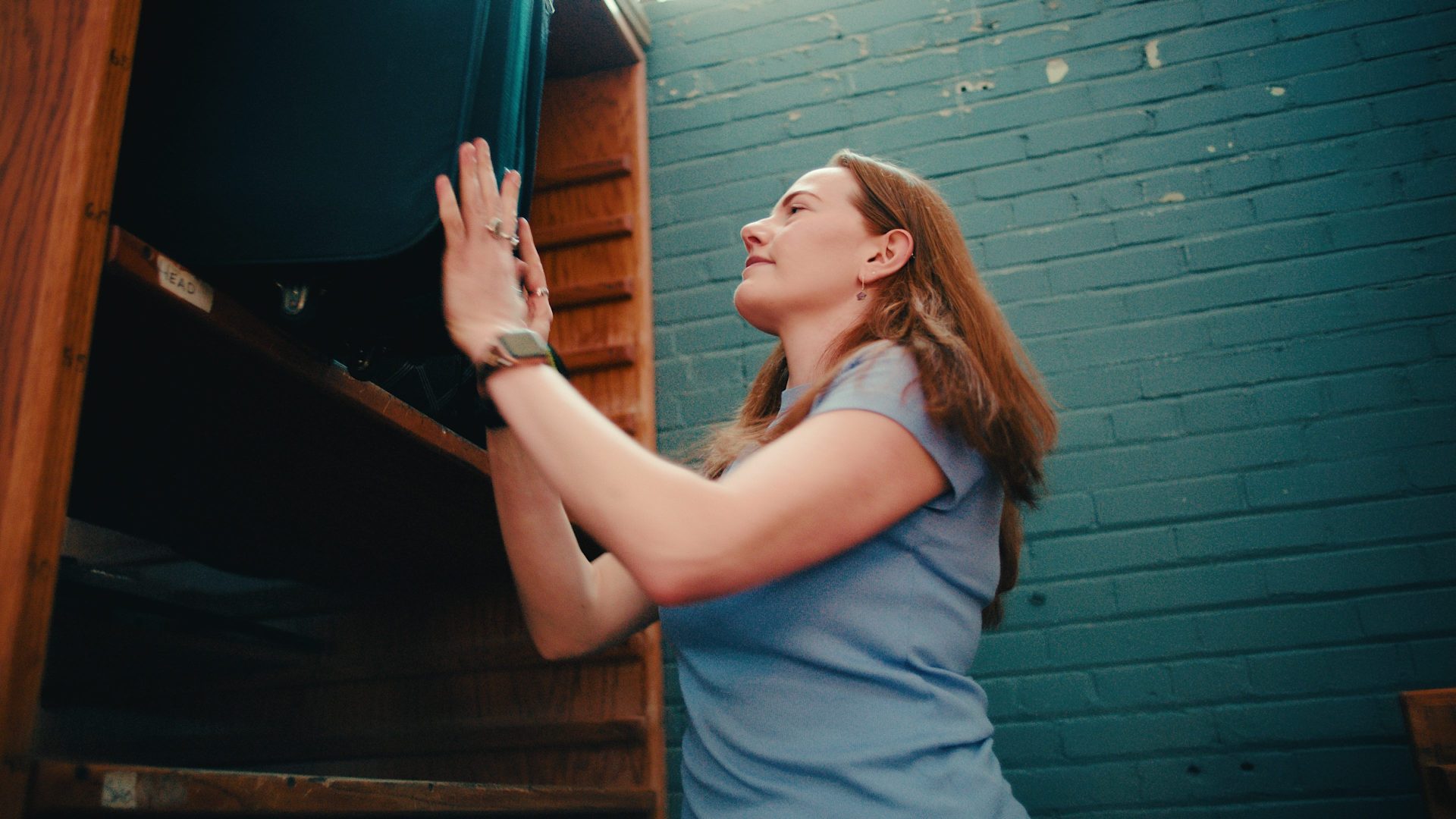
Because Saunders clinicians are experts in workers compensation physical therapy, we start by taking a detailed history of your occupational demands. We find out exactly what you need to do functionally on a daily basis. Whether your goal is returning to airline baggage handling, driving a delivery truck, or nursing, the program is customized entirely around those factors rather than using a one-size-fits-all approach.
Step 2: Building Strength and Endurance
At the beginning of your care, physical therapy focuses heavily on pain relief, range of motion, and basic strength. However, basic strength is simply not enough—hard workers need long-term endurance. Once your initial pain has improved, work conditioning steps in to actively rebuild:
- Strength
- Stamina
- Balance
- Coordination
- Functional movement
The goal is to gradually prepare your body for the activities you perform on the job.
Step 3: Job Simulation Exercises
Practicing Real Work Tasks
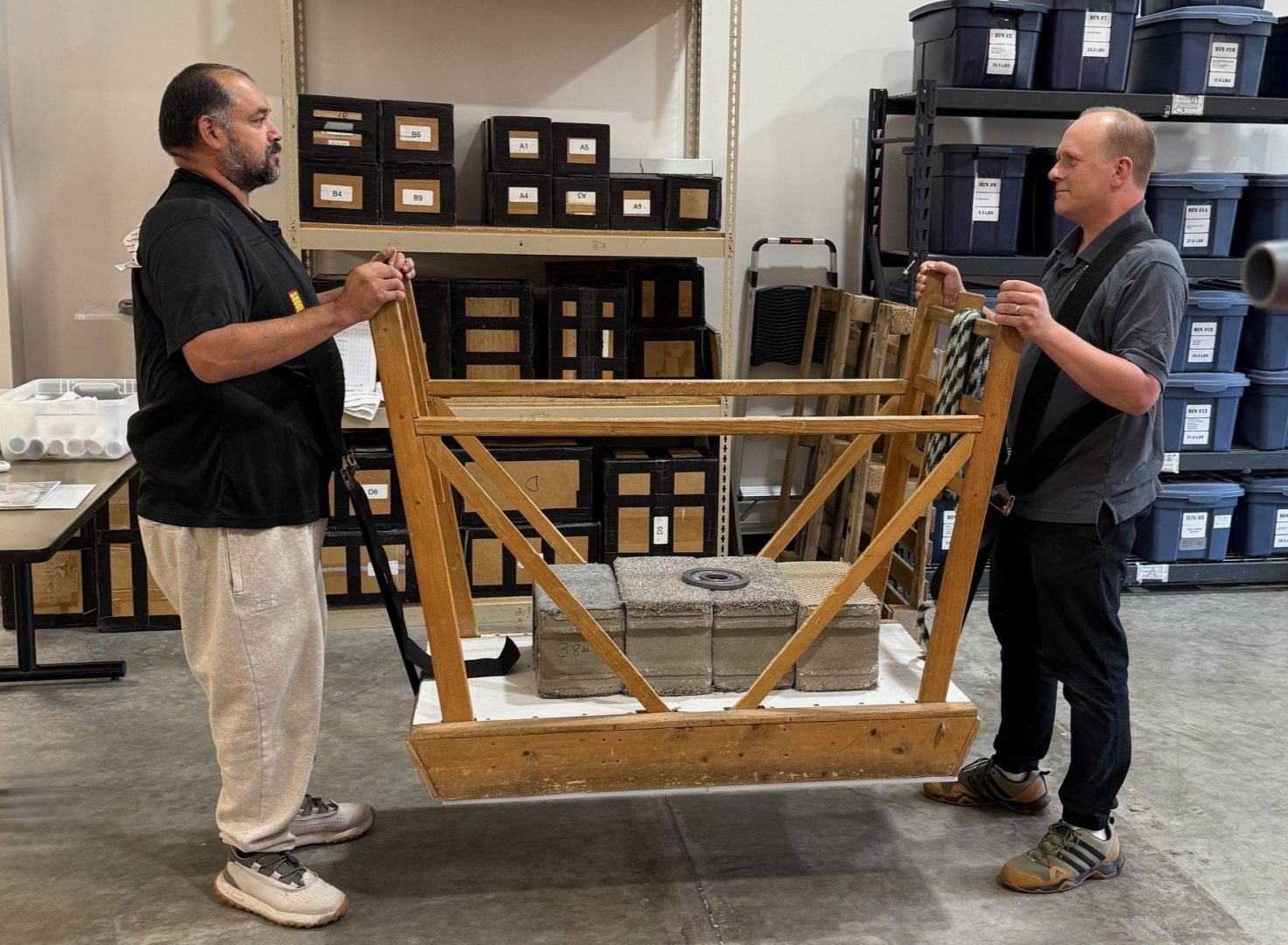
One of the most valuable parts of customized work conditioning programs is the use of job simulation exercises.
Instead of only exercising for general fitness, you practice movements that closely resemble your daily work activities.
Examples may include:
- Lifting and carrying materials
- Climbing stairs
- Pushing carts
- Pulling equipment
- Reaching overhead
- Squatting and kneeling
- Repetitive movement tasks
Saunders Therapy Centers specifically incorporates work simulation activities because they help bridge the gap between traditional rehabilitation and actual job performance.
Step 4: Rebuilding Confidence
The Missing Piece of Recovery
Many people assume recovery is only physical.
In reality, confidence often becomes the biggest obstacle.
Questions like these are common:
- “What if I get hurt again?”
- “Can my body handle this?”
- “Will I make it through an entire shift?”
Customized work conditioning programs help answer those questions through experience.
As individuals successfully complete progressively challenging activities, they begin trusting their bodies again.
That confidence often becomes the turning point in recovery.
Saunders therapists frequently work with individuals who struggle with fear, anxiety, and uncertainty about returning to work and use progressive activity exposure to help rebuild confidence safely.
Why St. Paul Workers Choose Saunders Therapy Centers
Experience That Matters
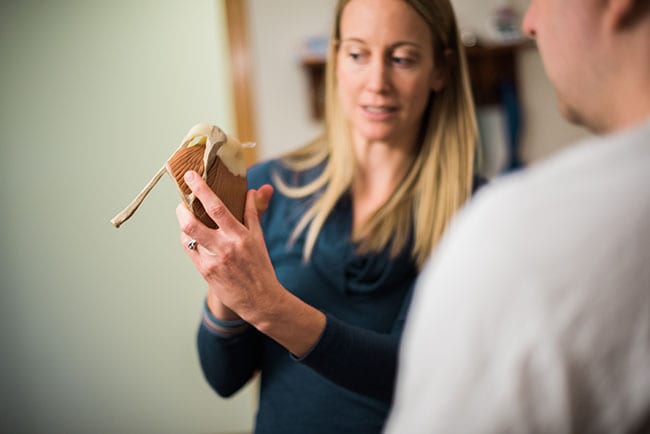 For decades, Saunders Therapy Centers has helped workers throughout St. Paul and the surrounding Twin Cities communities rebuild function and return to demanding occupations.
Their clinics feature:
- Experienced rehabilitation professionals
- Individualized treatment plans
- Functional work-focused training
- Realistic job simulation exercises
- Programs designed around each person’s goals and job requirements
Their mission focuses on maximizing work-related abilities and helping individuals return to meaningful employment safely and successfully.
Serving St. Paul, MN and Surrounding Communities
People throughout the St. Paul area work in physically demanding industries every day.
From healthcare and manufacturing to transportation, construction, and warehouse operations, these jobs require strength, endurance, and confidence.
Saunders Therapy Centers proudly serves individuals from:
- St. Paul
- Maplewood
- Roseville
- Woodbury
- Oakdale
- Inver Grove Heights
- Eagan
- Mendota Heights
- Minneapolis and surrounding Twin Cities communities
Their local experience allows them to understand the unique challenges faced by workers across the region.
Frequently Asked Questions
1. What are customized work conditioning programs?
Customized work conditioning programs are structured rehabilitation plans designed to improve strength, endurance, and functional abilities required for a specific job.
2. How are job simulation exercises different from regular exercises?
Job simulation exercises mimic actual workplace tasks. By making your rehabilitation activities look more and more like your daily job duties, you gradually get reconditioned to regain both your physical tolerance and mental confidence.
3. Who can benefit from return-to-work physical therapy programs?
Anyone who has recovered from an injury but still lacks the strength, stamina, or confidence to perform their job safely may benefit.
4. How long does a work conditioning program take?
Every program is different. The duration depends on your job requirements, current abilities, recovery goals, and overall progress.
5. Can these programs help if I’m afraid of getting hurt again?
Yes. Many people experience fear after an injury. Work conditioning helps rebuild confidence through gradual, supervised progression and successful completion of work-related activities.
Ready to Feel Confident at Work Again?
 Getting rid of pain is only one part of recovery. The real goal is feeling confident that your body can handle the physical demands of a full workday. If you’ve completed therapy but still feel uncertain about lifting, standing, walking, or performing your regular job duties, a customized approach may be the missing piece.
At Saunders Therapy Centers, Inc., customized work conditioning programs, job simulation exercises, and return-to-work physical therapy programs are designed to help you rebuild the strength, endurance, and confidence needed to return to work safely. Their team focuses on preparing you for the real tasks you perform every day, not just the exercises completed in a clinic.
Contact us today to schedule an evaluation and learn how their specialized work-focused rehabilitation programs can help you get back to work with confidence. With decades of experience helping industrial athletes throughout St. Paul, MN, and surrounding communities, Saunders has the expertise and proven methods to help you return to the job you love.
Know someone who is recovering from an injury and wondering if they’re truly ready to return to work? Share this article with friends, family members, coworkers, or anyone who could benefit from learning how customized work conditioning programs, job simulation exercises, and return-to-work physical therapy programs can help rebuild strength, confidence, and work readiness.