
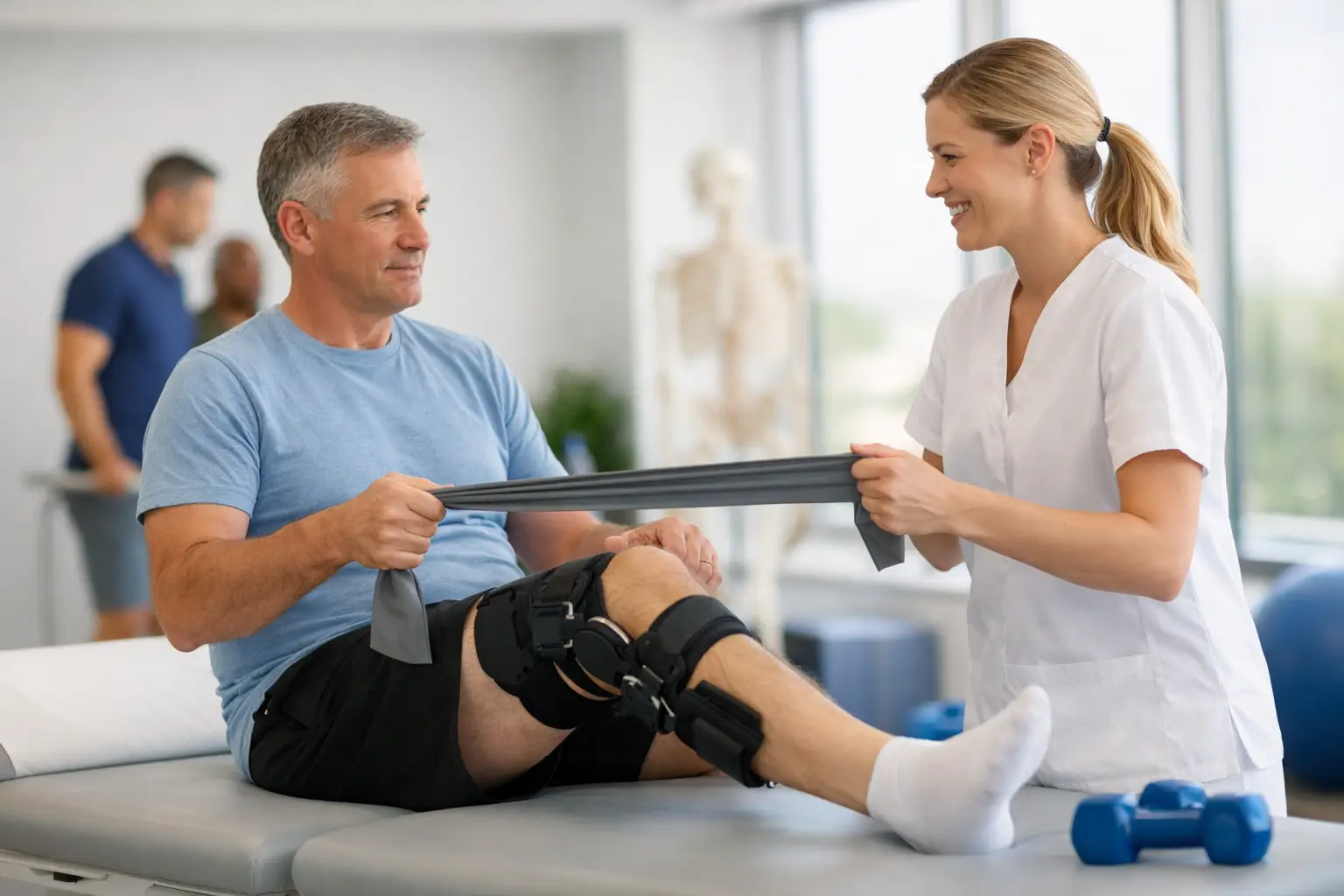
The first week after surgery can feel strangely uneven. One day you are relieved the procedure is behind you. The next, you are wondering whether the swelling is normal, why a simple chair feels too low, or how long it will take before your body feels like your own again. A clear guide to post surgical rehabilitation helps make that stretch less uncertain and far more productive.
Rehabilitation after surgery is not just about exercising a healing body part. It is about protecting the surgical repair while restoring strength, motion, balance, endurance, and confidence. Done well, it can reduce stiffness, improve function, and help you return to work, family responsibilities, and the activities that matter to you. Done too aggressively, it can irritate healing tissue. Done too slowly, it can lead to avoidable weakness and limitation. That balance is why individualized care matters.
What post surgical rehabilitation is really trying to do
Every surgery has its own rules, but the larger goals tend to be consistent. Early rehabilitation focuses on managing pain and swelling, protecting the surgical site, and helping you move safely. As healing progresses, treatment shifts toward restoring mobility, rebuilding muscle performance, improving coordination, and retraining the body for daily tasks.
That progression is not linear for everyone. A healthy runner recovering from a knee scope may move quickly through early stages, while someone recovering from a joint replacement or rotator cuff repair may need a more gradual path. Age, baseline fitness, medical history, job demands, sleep, pain sensitivity, and the type of procedure all affect the timeline.
This is also where expectations matter. Many patients assume pain relief and full function will return at the same pace. They often do not. Your pain may improve before your strength does. Your incision may look healed while deeper tissue still needs protection. Feeling better is encouraging, but it is not always the same as being ready for heavier activity.
A guide to post surgical rehabilitation by phase
The first phase usually centers on protection. Depending on the surgery, you may be using a sling, brace, walker, crutches, or post-operative precautions that limit bending, lifting, twisting, or weight-bearing. Physical or occupational therapy at this stage often includes gentle movement, swelling control strategies, breathing and circulation work, education on positioning, and instruction for safe transfers, walking, stairs, dressing, or bathing.
This phase can feel simple, but it is not insignificant. Small decisions early on can shape the rest of recovery. Learning how to get in and out of bed without straining a healing spine or how to support your arm after shoulder surgery can reduce pain and prevent setbacks.
The next phase often focuses on restoring motion and basic muscle activation. This is where many patients notice both progress and frustration. You may be moving more, but stiffness can still be pronounced, especially in the morning or after sitting too long. A therapist helps distinguish between expected discomfort and warning signs that suggest the body is not tolerating a certain activity well.
As healing continues, rehabilitation becomes more demanding. Strengthening usually expands beyond the surgical area to include surrounding muscles and movement patterns. That matters because surgery often changes how you move. If your hip was painful for months before a procedure, your body likely developed compensation strategies. Recovery is not just about a stronger hip. It is also about teaching the rest of your body to stop protecting it.
The final phase is return to function. For some people, that means walking the dog, climbing stairs comfortably, and sitting through a workday. For others, it means lifting at work, carrying a child, getting back on a bike, or returning to tennis or pickleball. The right plan becomes more specific as your goals become more specific.
What to expect in therapy
A good rehabilitation program is structured, but it should not feel generic. Your therapist should consider the procedure you had, the protocol from your surgeon if one is provided, your current symptoms, your home and work demands, and the goals you care about most.
At the start, visits often include hands-on care to address pain, stiffness, swelling, or soft tissue restriction. You may also work on guided exercises, gait training, balance, joint mobility, scar mobility when appropriate, and practical movement tasks. Home exercise instruction is part of the process, but it should support therapy, not replace skilled care.
Frequency varies. Some post-surgical cases need closer monitoring early on, while others do well with fewer visits and strong home follow-through. More visits do not automatically mean better results. The best schedule is the one that gives you enough support to progress safely without wasting time or effort.
Pain, swelling, and the question almost everyone asks
Most patients want to know one thing quickly: How much pain is normal?
There is no single answer, but there are patterns. Some soreness after therapy, fatigue in the involved muscles, and temporary swelling after activity are common. Sharp worsening pain, rapidly increasing swelling, new numbness, fever, drainage concerns, or sudden loss of function deserve medical attention. Your therapist can help you understand the difference between expected post-operative irritation and signs that should not be ignored.
Pain management is rarely one tool. It is usually a combination of pacing, position changes, ice or other symptom management strategies, sleep support, gentle mobility, and smart progression of activity. Trying to push through everything can backfire. Avoiding movement entirely can also backfire. The middle ground is usually where the best recovery happens.
Why timelines vary more than people expect
One of the most common frustrations in post-surgical rehab is comparing your progress with someone elses. Even if two people had the same procedure, they may not recover at the same speed.
A desk worker recovering from carpal tunnel release has different demands than a warehouse employee recovering from the same operation. A patient with long-standing shoulder stiffness before surgery may need more time to regain motion than someone whose mobility was strong going in. Even factors like transportation, work schedule, caregiving duties, and access to early therapy can influence progress.
That is why a practical guide to post surgical rehabilitation should include flexibility. Timelines are helpful for planning, but they are not a scoreboard. Steady progress matters more than hitting an arbitrary date.
The role of individualized care
Post-surgical rehabilitation works best when treatment is tied to your actual life. If you need to kneel for work, your plan should address that. If your goal is to return to golf, rehab should eventually include the mobility, control, and rotational demands that golf requires. If dizziness, pelvic symptoms, headaches, balance issues, or chronic pain are also part of your history, those factors should not be ignored just because surgery is the main event.
That broader view is often where people start to feel truly supported. They are not just recovering a joint or body region. They are rebuilding function in the context of a real schedule, real responsibilities, and real concerns about reinjury.
At Saunders Therapy Centers, that patient-specific approach is central to care. It means listening carefully, adjusting treatment when your body is telling us something, and helping you move forward with a plan that makes sense for your procedure and your goals.
How to get the most from rehab
The patients who tend to do best are not always the ones who start out strongest. They are often the ones who stay consistent, ask questions, and communicate early when something feels off.
That does not mean you need perfect attendance or perfect motivation. Recovery can be messy. Some weeks are better than others. What matters is staying engaged with the process. Do the home program as prescribed, but do not add extra work just because you are eager. Respect restrictions, even if they feel inconvenient. Bring up concerns about pain, sleep, work, or daily tasks before they become bigger barriers.
It also helps to think beyond the incision. Nutrition, hydration, stress, sleep quality, and overall activity level influence healing more than many people realize. Rehabilitation is not only what happens during an appointment. It is also what supports your body between visits.
When to start
In many cases, earlier is better, as long as it aligns with surgical guidance. Starting therapy soon after surgery can help you reduce stiffness, understand precautions, and begin safe movement before compensations become more ingrained. Waiting too long can make early gains harder, especially after procedures where range of motion is time-sensitive.
If you are unsure when to begin, ask. A free consultation can help clarify whether therapy should start now, what kind of rehabilitation is appropriate, and what your next step should be. Clear guidance early on can save time, reduce uncertainty, and help recovery feel less overwhelming.
Surgery may be one date on the calendar, but rehabilitation is the part that helps turn that procedure into real-life progress. The right plan does more than help tissue heal. It helps you get back to moving with trust in your body again.