
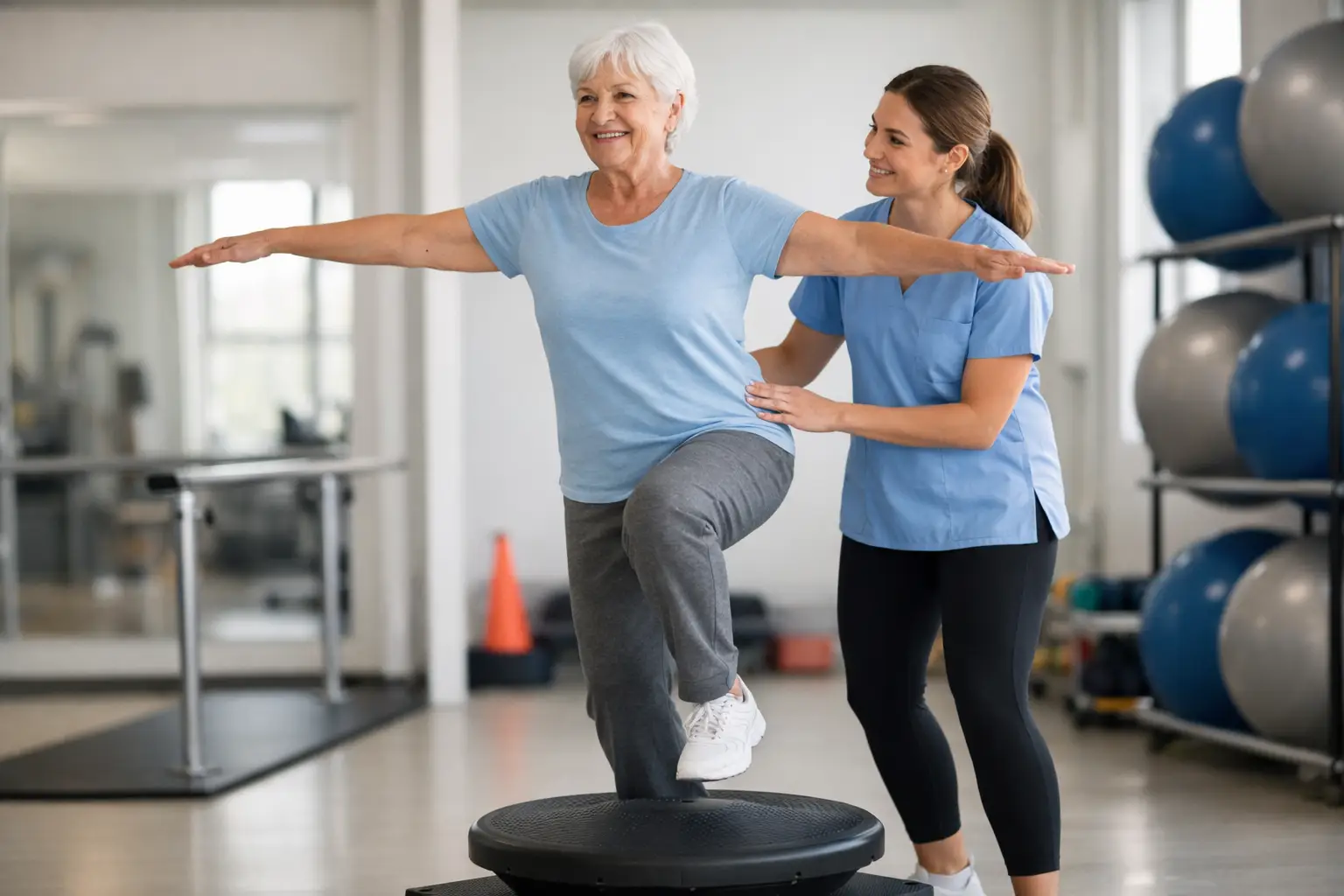
A lot can change after one close call on the stairs or one moment of feeling unsteady in the grocery store. For many older adults, that is when balance therapy for seniors stops sounding optional and starts feeling necessary. The good news is that balance problems are often treatable, and the right therapy can improve stability, confidence, and day-to-day function.
Balance is not just about leg strength or being careful. It depends on several body systems working together at the same time. Your muscles need to respond quickly, your joints need to sense position accurately, your eyes need to help orient you, and your inner ear needs to detect movement. When one part of that system is off, you may feel dizzy, wobbly, slow to react, or less sure on your feet.
That is why effective treatment starts with understanding the reason behind the problem, not just handing someone a sheet of exercises.
What balance therapy for seniors actually addresses
A balance problem can show up in different ways. Some people feel lightheaded when they stand. Others do fine indoors but struggle on uneven ground, in busy environments, or when turning quickly. Some have had a fall. Others have not fallen but have started avoiding walks, stairs, or social outings because they do not trust their footing.
Physical therapy for balance looks at the whole picture. That may include lower-body weakness, reduced reaction time, joint stiffness, foot pain, neuropathy, arthritis, vision changes, vestibular issues, or recovery after illness, surgery, or injury. In some cases, medications or blood pressure changes may also play a role, which is why a good assessment matters.
For seniors, the goal is not only fall prevention. It is also preserving independence. Better balance can make it easier to get out of bed, carry laundry, walk the dog, shop safely, keep up with grandkids, or move around the house without that constant sense of caution.
Why balance tends to change with age
Aging itself does not automatically mean frequent falls, but it does increase the chances that small changes add up. Muscle strength often declines, especially in the hips and legs. Joint mobility may become more limited. Vision can become less reliable in low light. The body may also get slower at adjusting after a trip, a quick turn, or a change in surface.
At the same time, many seniors start moving less because they feel less steady. That creates a frustrating cycle. When activity drops, strength, endurance, and coordination often drop with it. Then the body becomes even less prepared to recover from a loss of balance.
This is one reason early treatment matters. If someone waits until after multiple falls, recovery can be more complicated. If they start therapy when they first notice instability, there is often more room to improve function before fear and deconditioning take hold.
What happens during an evaluation
A strong therapy plan begins with a one-on-one assessment. This should feel personal and practical, not rushed. A therapist will usually ask when the symptoms started, what movements feel hardest, whether dizziness is part of the picture, and whether there have been any falls or near-falls.
From there, the evaluation often includes walking assessment, strength testing, flexibility screening, posture, transfers, standing tolerance, and tasks that challenge balance in a safe setting. If dizziness or vertigo is involved, vestibular testing may also be appropriate. That distinction matters because not every balance problem comes from the same source, and treatment should match the cause.
Some people need to work on gait mechanics and lower-body strength. Others need vestibular rehabilitation to help the brain and inner ear coordinate more effectively. Many need a combination of both, along with practical fall-prevention strategies for home and community settings.
What treatment usually includes
The most effective balance therapy for seniors is specific to the person in front of the therapist. There is no single exercise that fixes every case. Treatment often combines guided movement, progressive challenge, and repetition that builds trust in the body again.
That may include strengthening for the hips, glutes, core, and lower legs, since those muscles help control posture and stepping reactions. It may also involve gait training, sit-to-stand work, stair practice, and exercises that improve coordination when turning or changing direction. If the issue involves dizziness, therapy may focus on visual tracking, head movement tolerance, and vestibular retraining.
A good program also accounts for real life. Some people need to be able to manage icy walkways in winter. Others want to feel safe gardening, getting into the bathtub, or walking from the parking lot into church. Function matters more than perfect performance in a clinic.
Progress is usually gradual, not dramatic overnight. That is normal. Balance improves when the body gets repeated exposure to safe challenges and learns to respond more efficiently.
Balance therapy is not one-size-fits-all
Two seniors can have the same fear of falling and need very different care. One may be recovering from a joint replacement and need strength and mobility work. Another may have benign positional vertigo and need a specific vestibular maneuver. A third may have neuropathy and need training that improves foot placement, confidence, and compensatory strategies.
This is where individualized outpatient therapy stands out. It allows treatment to be adjusted based on symptoms, medical history, and goals. A generic group class may help some people stay active, but it may not address the underlying reason balance feels off.
That does not mean every senior needs long-term therapy. Some need a short course to address a specific issue and build a home program. Others with more complex conditions benefit from a longer progression. The right plan depends on severity, cause, and how much balance loss is affecting daily life.
Signs it is time to seek help
Many older adults minimize balance changes because they assume instability is just part of aging. Often, it is the family that notices first. They see the hand reaching for walls, the hesitation on curbs, the shorter steps, or the refusal to go out alone.
It is worth talking to a physical therapist if standing up feels less steady, walking has become slower or more cautious, dizziness happens with movement, or there has been a fall or near-fall. Needing furniture for support indoors is another clear sign. So is avoiding normal activities because they no longer feel safe.
The earlier those changes are addressed, the easier it is to protect mobility. Waiting tends to give fear more control, and fear changes movement patterns in ways that can increase fall risk.
What families should know
Families often want to help, but the instinct is sometimes to tell a loved one to “just be careful.” That advice comes from concern, but it rarely solves the problem. If someone is unsteady because of weakness, vestibular dysfunction, poor coordination, or reduced sensory input, they need more than caution. They need targeted treatment.
Support is most helpful when it encourages action without taking away independence. That might mean helping schedule an evaluation, noticing patterns around dizziness or falls, or making a few home safety changes while therapy is underway. It also means recognizing that confidence is part of recovery. When seniors feel safer moving, they are more likely to stay active, and that activity supports long-term strength and stability.
At Saunders Therapy Centers, this kind of care is built around individualized treatment and practical goals, so patients can work on the movements that matter most in their own lives.
The bigger goal is confidence, not just caution
Fall prevention is a serious medical issue, but the personal side matters just as much. When balance declines, people often give up pieces of their routine long before anyone sees a major injury. They stop walking outside. They turn down invitations. They move less, carry less, and trust themselves less.
Good therapy helps reverse that pattern. It gives seniors a way to practice movement safely, understand what is driving their symptoms, and rebuild the physical skills that support independence. That may mean steadier steps, fewer dizzy spells, better reactions, or simply the confidence to move through the day without second-guessing every step.
If balance has started to feel uncertain, that is worth paying attention to. The right help can make everyday life feel more manageable again, and sometimes that starts with one honest conversation about what no longer feels easy.