

Key Takeaways
- Incontinence is not a normal part of aging and can often be improved or eliminated with proper therapy.
- Pelvic health physical therapy at Saunders Therapy Centers, Inc. helps strengthen bladder control safely and effectively.
- Early treatment leads to better results, allowing you to regain confidence and live comfortably at any age.
 Many people believe that bladder leaks or frequent trips to the bathroom are just a normal part of getting older. The truth is, incontinence is not an unavoidable part of aging. While it becomes more common with age, it usually happens because of changes in muscle strength, hormones, or medical conditions that can be treated. You don’t have to accept it as “just part of getting older.”
At Saunders Therapy Centers, Inc., we help people near and around Minnesota take control of their bladder health through personalized pelvic health physical therapy. Our team of experienced, licensed therapists works closely with you to understand your situation and create a plan that helps you feel confident, active, and in control again.
What Exactly Is Incontinence?
Incontinence means losing control over your bladder. It can be as mild as a few drops when you sneeze or laugh, or as serious as not being able to hold it at all. There are different kinds of incontinence, such as:
- Stress incontinence, when you leak during activities like coughing or exercising.
- Urge incontinence, when you suddenly feel a strong need to go but can’t make it in time.
- Mixed incontinence, which is a combination of both stress and urge incontinence.
Understanding the type you have helps determine the right treatment. That’s why it’s important to talk to a professional who specializes in pelvic floor therapy.
Why Does Incontinence Happen as We Age?
As we get older, our muscles, including the ones that support the bladder and pelvic organs, tend to weaken. Hormonal changes, surgeries, or certain medications can also affect bladder control. For women, childbirth and menopause can contribute to pelvic floor weakness. For men, prostate issues are a common cause.
Even though these changes are common with age, incontinence should never be accepted as “normal.” It’s a medical issue that can be improved or even eliminated with the right care.
Is It Possible to Prevent Incontinence?
 Yes, in many cases it can be prevented or reduced. Here are some healthy habits that can make a big difference:
- Stay active: Gentle exercises like walking and stretching help your body stay strong.
- Do pelvic floor exercises: Known as Kegels, these strengthen the muscles that control your bladder.
- Maintain a healthy weight: Extra weight can put pressure on your bladder.
- Avoid bladder irritants: Caffeine, alcohol, and carbonated drinks can make symptoms worse.
- Don’t “hold it” too long: This can train your bladder to misbehave over time.
Even if incontinence has already started, therapy can still help you regain control and confidence.
How Can Physical Therapy Help?
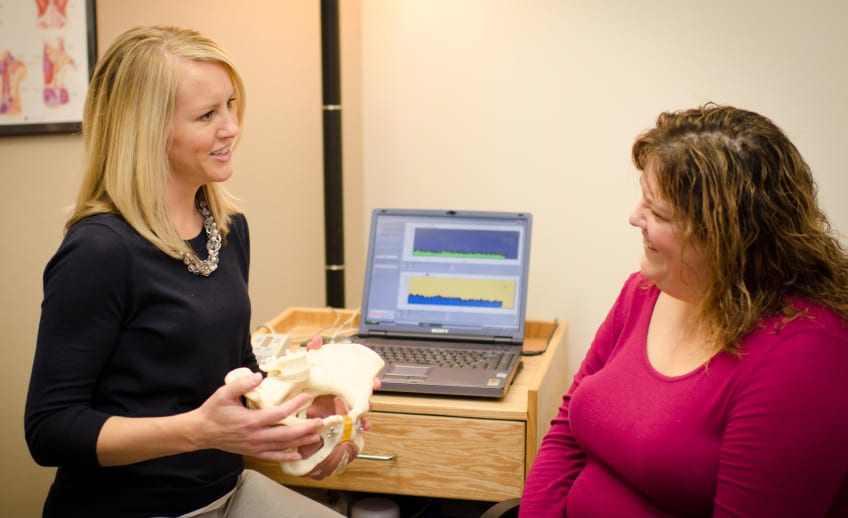
Physical therapy for incontinence focuses on training the pelvic floor muscles that control bladder function. These muscles can be strengthened and retrained just like any other muscles in your body. At Saunders Therapy Centers, Inc., our therapists use a gentle, step-by-step approach to help you understand your body and improve control.
You’ll learn:
- Proper breathing techniques to reduce pressure on your bladder.
- Exercises that target deep core and pelvic muscles.
- Strategies for better bladder habits and posture.
- Ways to reduce the urge to urinate too often.
Many patients see progress within just a few weeks and feel more confident in their daily routines.
What Makes Saunders Therapy Centers Different?
Since 1988, Saunders Therapy Centers, Inc. has served communities across Minnesota with a patient-first approach. We are proud to be 100% employee-owned, meaning every therapist and staff member has a personal investment in your care. You will always see the same therapist at each visit, so you can build a trusting relationship with someone who truly understands your journey.
We are independent, locally owned, and passionate about helping people live full, active lives at every age. Whether you need help with bladder control, pelvic pain, or post-surgery recovery, our team is ready to help you move forward with confidence.
What Do Our Patients Say?
“I was so satisfied with all the treatment they gave me in my therapy, excellent friendly workers. I was so happy with the therapists, the therapist and the kindness, so I recommend them to my friends and family. I recommend them 100%.” – Anadely Salvador
“The staff at the St Paul location was phenomenal! Couldn’t ask for better physical therapist. The care that is provided and the personal attention that they give you is above and beyond expectations. I would definitely recommend them. Thanks again you guys!!” – Jose Dominguez
What Are Some Common Myths About Incontinence?
 There are many myths about incontinence that cause people to delay getting help. Let’s clear up a few:
- Myth 1: Only older people get incontinence.
Not true. It can affect younger adults, especially after pregnancy or surgery. - Myth 2: It’s just part of aging, and nothing can be done.
False. Incontinence can be treated successfully with therapy and simple lifestyle changes. - Myth 3: Surgery is the only option.
Most people improve with non-surgical treatments like physical therapy. - Myth 4: You should drink less water to avoid leaks.
Wrong. Staying hydrated actually helps your bladder function properly.
How Does Incontinence Affect Daily Life?
Incontinence can be frustrating, embarrassing, and even isolating. Many people avoid social gatherings, exercise, or travel out of fear of accidents. Over time, this can affect confidence and emotional well-being.
At Saunders Therapy Centers, we understand the personal nature of this issue. That’s why our therapy sessions are private, comfortable, and focused entirely on your goals. Our therapists listen carefully, explain every step, and celebrate your progress with you.
When Should You See a Specialist?
If you experience any of these symptoms, it’s time to seek help:
- Frequent urges to urinate
- Leaking when laughing, sneezing, or exercising
- Difficulty holding your bladder overnight
- Avoiding activities because of bladder concerns
Don’t wait until the problem gets worse. The sooner you begin treatment, the easier it is to regain control.
FAQs About Incontinence
1. Is incontinence only a problem for seniors?
No, it can happen at any age. While it’s more common in older adults, younger people can experience it too.
2. What happens during pelvic health therapy?
You’ll work privately with a physical therapist who teaches you simple exercises and techniques to strengthen your pelvic floor and improve bladder control.
3. How long does treatment take?
It depends on your condition, but most people notice improvement within a few weeks of consistent therapy.
4. Do I need a doctor’s referral to start therapy?
No. At Saunders Therapy Centers, you can begin treatment directly without a referral.
5. Can lifestyle changes really make a difference?
Yes. Simple habits like drinking enough water, avoiding caffeine, and doing daily exercises can help improve bladder control.
Can You Really Take Control of Incontinence?
 Absolutely. With the right guidance, patience, and expert care, you can make a real difference in your bladder health. You don’t have to live with worry or embarrassment. Saunders Therapy Centers, Inc. has helped countless people across Minnesota rediscover comfort, confidence, and control.
Our team of licensed pelvic health specialists understands the physical and emotional challenges that come with incontinence. We provide compassionate, professional care designed to fit your individual needs.
If you’re tired of feeling limited or anxious about bladder control, now is the time to take action. Reach out to Saunders Therapy Centers, Inc. today to schedule your first appointment. Visit us or call one of our nearby locations in Bloomington, Maple Grove, or St. Paul.
You deserve expert care, lasting results, and the freedom to live life without limits. Let Saunders Therapy Centers, Inc. help you take the first confident step toward better health today.
Help spread awareness and let others know that incontinence is treatable with expert care from Saunders Therapy Centers, Inc. near Minnesota! [Click here!]