
 It’s a secret many people carry, often suffering in silence. The unexpected leak when you laugh or sneeze. That persistent ache in your lower abdomen. Discomfort during intimacy that makes you dread closeness. If any of this resonates with you, you’re not alone. These seemingly isolated issues can actually be interconnected symptoms of pelvic floor dysfunction, a common but frequently misunderstood condition that impacts millions of lives, including many right here in Minnesota.
For too long, these symptoms have been dismissed as a “normal” part of aging, childbirth, or just something you have to live with. But at Saunders Therapy Centers, Inc., we firmly believe that living with pain, discomfort, or loss of control is not normal, and more importantly, it’s not necessary. There’s a highly effective, non-invasive solution that can significantly improve your quality of life: expert Pelvic Health Physical Therapy.
What is Pelvic Floor Dysfunction?
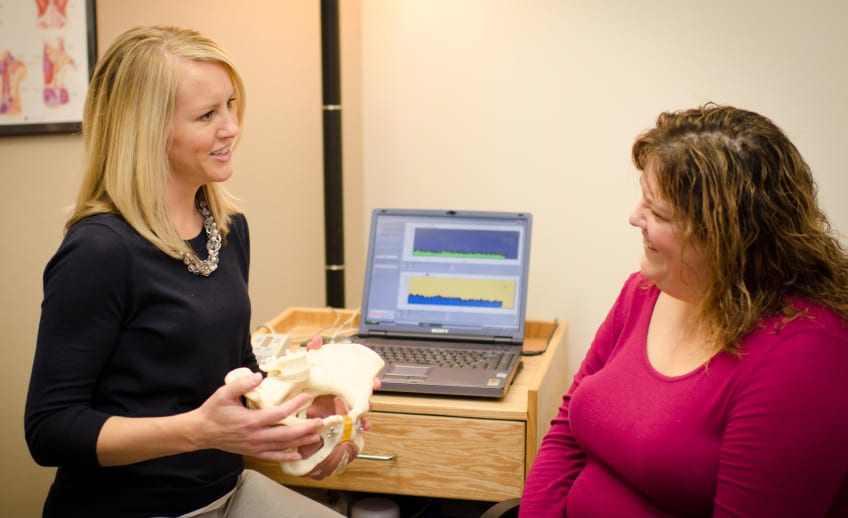
To truly understand pelvic floor dysfunction, let’s first talk about your pelvic floor itself. Imagine a hammock or a sling of muscles, ligaments, and connective tissues nestled at the base of your pelvis. This intricate network isn’t just there for support; it’s a dynamic powerhouse with crucial roles. Your pelvic floor muscles literally support your bladder, bowels, and, for women, your uterus. Beyond support, they also play a vital role in bladder and bowel control, sexual function, and even core stability.
When these muscles are working optimally, they contract and relax in perfect coordination, allowing you to go about your day without a second thought about holding your bladder or having a bowel movement. However, when these muscles become too weak, too tight, or simply uncoordinated, their ability to perform these essential functions is compromised. This is what we call pelvic floor dysfunction. It’s not always about weakness; sometimes, these muscles are overly tense and unable to relax, leading to a different set of challenges.
Common Signs You Shouldn’t Ignore.
 The symptoms of pelvic floor dysfunction can be incredibly varied and often mimic other conditions, which is why it can be so hard to diagnose on your own. They can range from mildly annoying to profoundly impactful on your daily activities and emotional well-being.
One of the most frequently reported symptoms is urinary incontinence, which can manifest in different ways. You might experience stress incontinence, where urine leaks when you cough, sneeze, laugh, jump, or lift something heavy. Or perhaps it’s urge incontinence, characterized by a sudden, intense need to urinate that’s difficult to control, sometimes leading to accidental leaks before you can reach the bathroom. Many people also struggle with increased urinary frequency (feeling like you always need to go) or difficulty fully emptying their bladder.
Beyond bladder issues, bowel problems are also common. This can include constipation, often accompanied by straining, or a feeling of incomplete emptying after a bowel movement. Some individuals may experience fecal incontinence or difficulty controlling gas.
Then there’s pain. Pelvic pain can be persistent, dull, sharp, or pressure-like. It might be felt in the lower abdomen, groin, hips, low back, or even during sexual activity. For men, pelvic floor dysfunction can contribute to erectile dysfunction or pain during ejaculation. For women, it can lead to pain during intercourse or with tampon insertion. You might also notice a feeling of heaviness or pressure in the pelvic area, which can be a sign of pelvic organ prolapse, where organs like the bladder or uterus descend.
While these symptoms are common, it’s crucial to understand they are not normal and you don’t have to live with them. They are clear signals from your body that something isn’t quite right with your pelvic floor.
The Path to Relief: Understanding Your Options.
When faced with symptoms of pelvic floor dysfunction, many people first turn to their primary care doctor. While doctors can rule out serious medical conditions and may suggest some initial treatments, a truly effective and lasting solution often lies in specialized care. Medications can sometimes mask symptoms, and surgery, while necessary in some cases, is typically a last resort.
The most effective, non-invasive, and empowering way to address pelvic floor dysfunction is through Pelvic Health Physical Therapy. Think of it as specialized training for a crucial, yet often overlooked, group of muscles. Just as you’d see a physical therapist for a knee injury or back pain, a pelvic health physical therapist has advanced training to assess and treat the unique complexities of the pelvic floor. They don’t just focus on the symptoms; they get to the root cause of your dysfunction.
Reclaiming Your Life: Hope and Healing Are Possible.
 The short answer is a resounding YES! Living with pelvic floor dysfunction can indeed feel isolating and debilitating. It can limit your participation in social activities, exercise, and even simple daily tasks. The constant worry about leaks, the nagging pain, or the discomfort can erode your confidence and significantly impact your mental and emotional well-being. Many individuals report feeling embarrassed, anxious, or even depressed due to their symptoms.
However, with the right approach and a dedicated team, a normal, active, and fulfilling life is absolutely within reach. Pelvic Health Physical Therapy is designed to empower you with the knowledge and tools to regain control of your body and overcome the challenges of PFD. It’s about more than just managing symptoms; it’s about restoring function, confidence, and peace of mind. Imagine being able to exercise without fear of leaks, enjoy intimacy without pain, or simply go through your day feeling comfortable and in control. This isn’t a pipe dream; it’s the reality that countless individuals have achieved with expert care.
Your Personalized Journey to Wellness at Saunders Therapy Centers.
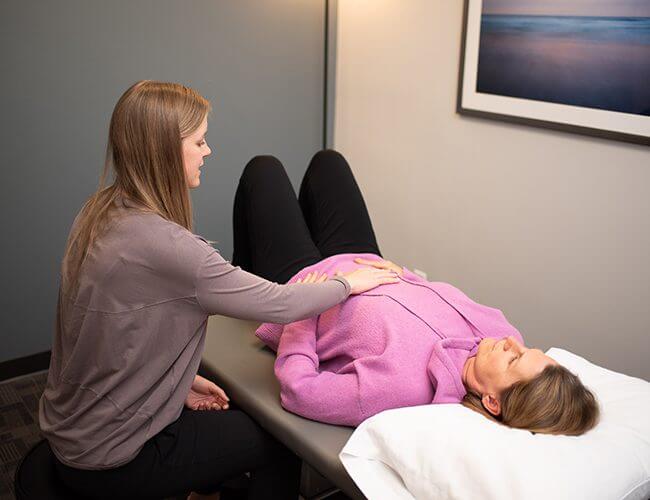
At Saunders Therapy Centers, Inc. in Minnesota, we offer personalized care for pelvic floor dysfunction, understanding that each individual’s experience is unique. Your journey begins with a comprehensive assessment by our highly trained pelvic health physical therapists, who evaluate your symptoms, pelvic floor muscles, and their connection to your entire body. Based on this, we create a customized treatment plan using evidence-based techniques. These include Manual Therapy, Therapeutic Exercises (beyond just “Kegels”), Biofeedback for muscle control, in-depth Education about your condition and anatomy, and Lifestyle Modifications. Our goal is to not only relieve immediate symptoms but also to empower you with lasting tools and knowledge for independent, long-term pelvic health through self-care and personalized home exercises.
Choosing Excellence: The Saunders Difference in Minnesota.
At Saunders Therapy Centers, Inc., our employee-owned structure, established in 2021, ensures a heightened dedication and personalized patient experience. With over 30 years of experience, we’ve helped over 500,000 patients in Minnesota, building a legacy of rigorous education and advanced training, especially in pelvic health. As a direct access provider, you can start your physical therapy journey without a referral, often after a free phone consultation. Our Twin Cities clinics (Minneapolis, Saint Paul, and Bloomington) offer one-on-one, hands-on care in a welcoming environment, focusing on a holistic approach to address the root cause of conditions like pelvic floor dysfunction, rather than just symptoms. Your successful outcome is our ultimate goal.
Frequently Asked Questions About Pelvic Floor Dysfunction & Therapy
Q1: Is Pelvic Floor Dysfunction only a women’s issue?
No, absolutely not! While often associated with women due to pregnancy and childbirth, pelvic floor dysfunction affects men and even children. Men and all genders can experience symptoms like urinary or fecal incontinence, pelvic pain, or sexual dysfunction related to their pelvic floor.
Q2: Are Kegel exercises the only solution for Pelvic Floor Dysfunction?
Many people think “Kegels” are the answer to all pelvic floor problems, but this is a common misconception. While Kegels (pelvic floor muscle contractions) can be beneficial for certain types of weakness, they can actually worsen symptoms if your pelvic floor muscles are already too tight or overactive. A pelvic health physical therapist will assess your specific needs and teach you the correct exercises, which may include relaxation, stretching, strengthening, and coordination, not just Kegels.
Q3: How long does Pelvic Health Physical Therapy take to work?
The duration of therapy varies greatly depending on the individual, the severity of their symptoms, and how long they’ve had the condition. Some people experience significant improvement within a few weeks, while others may require several months of consistent therapy. Your therapist will work with you to set realistic goals and provide an estimated timeline during your initial assessment.
Q4: Will my insurance cover Pelvic Health Physical Therapy?
Most insurance plans, including commercial plans, do cover physical therapy services. However, coverage can vary depending on your specific plan and deductible. We recommend calling your insurance provider directly or contacting Saunders Therapy Centers, Inc. for assistance in verifying your benefits. As a direct access provider in Minnesota, you can often begin therapy without a referral, though some plans may still require one for coverage.
Q5: Is it embarrassing to talk about pelvic floor issues?
It’s common to feel embarrassed, but please know that our pelvic health physical therapists are highly professional, compassionate, and have heard it all. They are dedicated to creating a safe, comfortable, and confidential environment where you can openly discuss your symptoms without judgment. Your privacy and comfort are our top priorities.
 Don’t let pelvic floor dysfunction control your life any longer. You deserve to live free from leaks and pain, with confidence and comfort. If you’re in the Minnesota area and experiencing any of these symptoms, we invite you to take the first step towards lasting relief.
Contact Saunders Therapy Centers, Inc. today for a free phone consultation. Our dedicated team is ready to listen, answer your questions, and guide you on your personalized path to recovery. Visit our website or call us directly to schedule your appointment at one of our Twin Cities locations. Your journey to a healthier, more comfortable life starts here.
Did you find this article helpful? Help others in Minnesota discover the path to relief from pelvic floor dysfunction by sharing it with your friends and family. Share this article on your social media: [https://saunders-therapy.com/beyond-leaks-pain-why-pelvic-floor-dysfunction-needs-expert-physical-therapy/]