

Key Takeaway
- Consistent pelvic floor exercises like Kegels can greatly improve bladder control; most people see results within 4–6 weeks when done correctly and regularly.
- Proper technique matters; activating the right muscles, at the right time, without straining other areas, is essential for effective results and avoiding further problems.
- Professional guidance can speed up progress; therapists at Saunders Therapy Centers, Inc provide personalized plans and support for people in Bloomington, St. Paul, and Maple Grove to help them regain confidence and comfort.
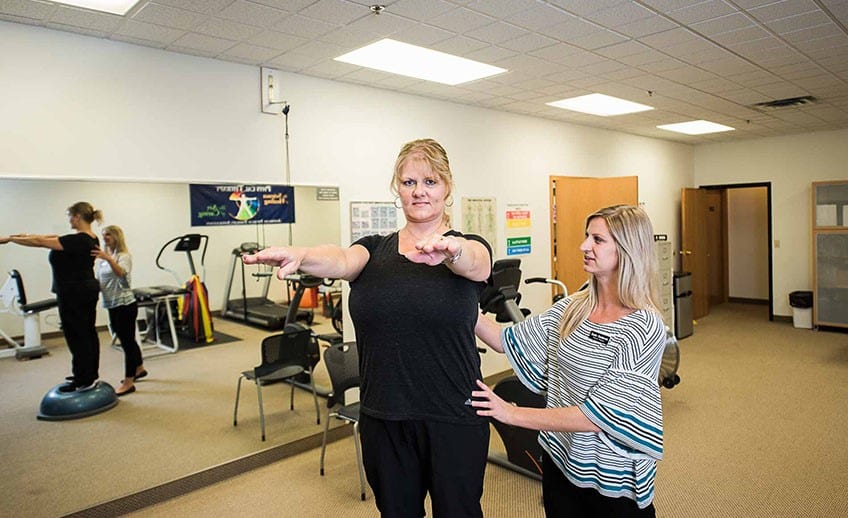 The best pelvic floor exercises for bladder control problems are the ones that strengthen the muscles supporting your bladder, so you can prevent or reduce leaks. These exercises; like Kegels and certain gentle stretches, help improve muscle tone, increase control, and boost confidence. At Saunders Therapy Centers, Inc, we guide people in Bloomington, St. Paul, and Maple Grove through safe, effective pelvic floor routines tailored to their needs, so they can get back to living without constant worry about accidents.
What is The Pelvic Floor, anyway?
Think of your pelvic floor muscles as a hammock or a sling at the bottom of your pelvis. They support your bladder, your bowels, and for women, your uterus. When these muscles are strong, they act like a strong security guard, keeping everything in place and helping you control when you go to the bathroom. But just like any other muscle in your body, if you don’t use them, they can get weak.
How to Strengthen the Pelvic Floor for Bladder Control?
Strengthening your pelvic floor is actually pretty simple! The most famous exercise for this is called a Kegel. It’s a great way to start. But before you jump in, it’s super important to know you’re doing it right. Some people need to relax certain muscles before strengthening. Doing Kegels the wrong way, or at the wrong time, can make matters worse. It’s important to get guidance from a skilled pelvic floor physical therapist.
What is the Correct Way of Doing Pelvic Floor Exercises?
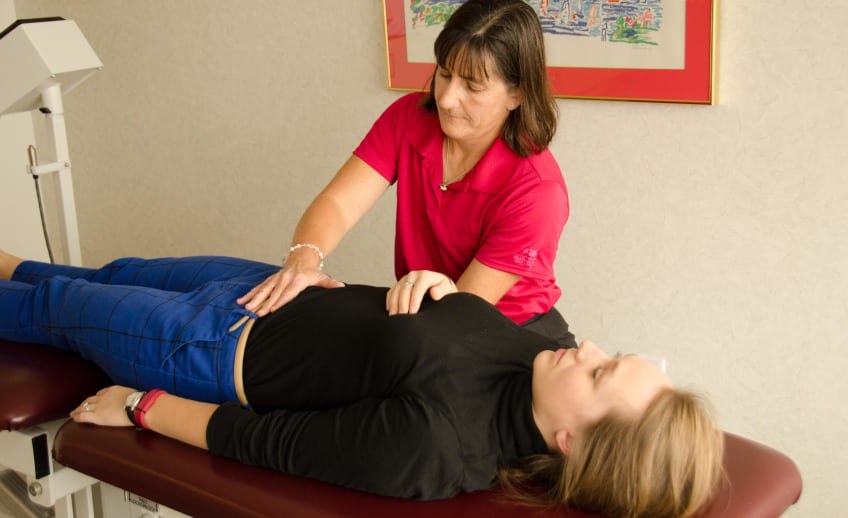 This is the most important part! Imagine you’re trying to stop the flow of urine mid-stream. That’s the feeling you’re looking for. You’re squeezing and lifting the muscles inside.
- Find the right muscles: First, relax your belly, bum, and thighs. Focus on just those inner muscles.
- Squeeze and lift: Squeeze those muscles and hold for about 5 seconds. You should feel a gentle lift inside.
- Relax: Now, relax completely for about 5 seconds.
- Repeat: Do this 10 times in a row. This is one “set.”
Many people find it helpful to imagine they are squeezing a marble with their pelvic floor muscles. It’s a good visual!
What Exercises Should You Avoid with Pelvic Floor Dysfunction?
While Kegels are great, some exercises can actually make things worse if you have a weak pelvic floor. High-impact exercises like running or jumping jacks can put a lot of pressure on your pelvic floor. Also, be careful with heavy lifting. These things aren’t bad, but if you’re experiencing bladder control issues, it’s a good idea to talk to an expert before you start a new, intense workout routine.
“I was so tired of feeling like I couldn’t trust my own body. After a few sessions at Saunders Therapy Centers in Bloomington, I learned how to properly do these exercises and the difference is amazing. I can go for walks with my grandkids without worrying!” – Carol M.
How Many Pelvic Floor Exercises a Day?
A good goal is to do your Kegel exercises 3 times a day. That’s three sets of 10 repetitions each. You can do them while you’re driving, watching TV, or even waiting in line at the grocery store. Nobody will even know you’re doing them! Consistency is key. It’s better to do them a little bit every day than to do a lot all at once and then forget for a week.
How Long Does It Take to Strengthen the Pelvic Floor?
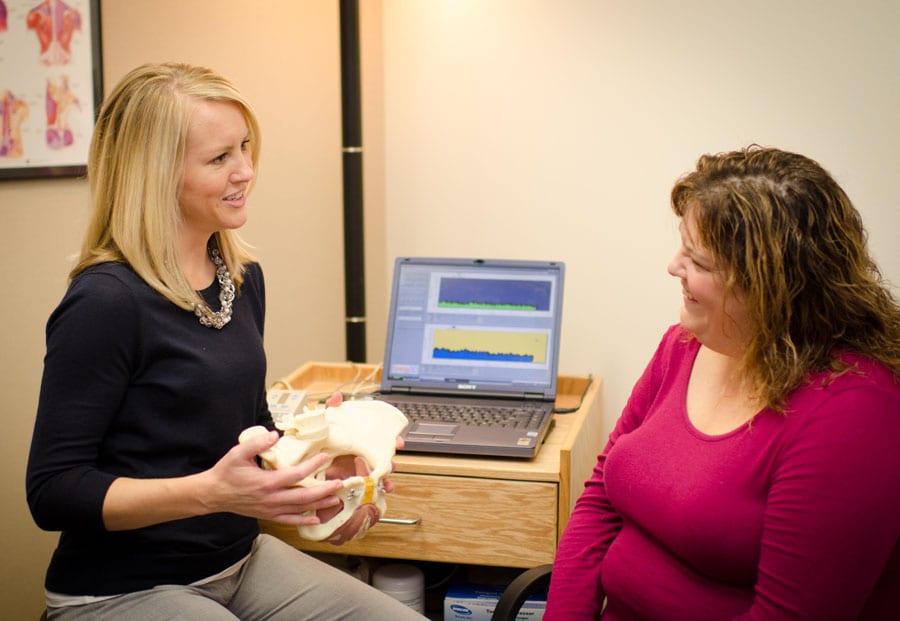 Patience is important. Just like with any muscle, it takes time to get stronger. You might start noticing a difference in a few weeks, but it can take a few months to see a big change. The key is to stick with it and make it a part of your daily routine.
What is the Simple Stretch to Stop Bladder Leakage?
A gentle bridge pose can help strengthen your pelvic floor while improving flexibility. Here’s how:
- Lie on your back with your knees bent and feet flat on the floor.
- Squeeze your pelvic floor muscles.
- Slowly lift your hips toward the ceiling.
- Hold for a few seconds, then lower down.
This move is simple, effective, and can be done almost anywhere.
Customer Stories from Saunders Therapy Centers, Inc
“I never thought bladder control could improve at my age. The therapists at Saunders helped me feel comfortable and confident, and I saw results within weeks!” – Patricia, St. Paul
“After having my second baby, I struggled with bladder leaks. Saunders Therapy made me feel normal again. They were kind, professional, and gave me the tools I needed.” – Maria, Bloomington
“Maple Grove’s team at Saunders was amazing! I went from worrying about leaks every day to feeling totally in control.” – Jill, Maple Grove
Frequently Asked Questions
Q1: Can men do pelvic floor exercises?
A: Yes! Men also have a pelvic floor, and strengthening it can help with bladder control and other issues.
Q2: Is it normal to feel a little sore after doing the exercises?
A: A little soreness is normal, just like with any new exercise. But if you feel pain, stop and talk to a physical therapist.
Q3: Can I do these exercises while I’m pregnant?
A: Absolutely! Pelvic floor exercises are often recommended during and after pregnancy to help with bladder control and recovery.
Q4: Will these exercises help with constipation?
A: Yes, a strong pelvic floor can also help with bowel movements and reduce straining.
Q5: What if I’m not sure if I’m doing them right?
A: That’s a great question! It’s very common to do them incorrectly. A physical therapist is the best person to help you learn the right technique.
Ready to Take Back Control of Your Bladder Health?
 If bladder leaks are affecting your life, you don’t have to suffer in silence. At Saunders Therapy Centers, Inc, we’ve been helping people across Bloomington, St. Paul, and Maple Grove strengthen their pelvic floor and improve bladder control with proven, personalized methods.
Our therapists are compassionate, experienced, and ready to guide you every step of the way. Don’t wait, your comfort and confidence matter. Call Saunders Therapy Centers, Inc today to schedule your pelvic floor evaluation and start your journey to better bladder control.
If you found this article helpful, share it with friends, family, or anyone who might be dealing with bladder control problems. Click here to share this article on your favorite social media: [Click here!]