Robin

Saunders Therapy Centers Incontinence Education

Physical Therapy for Incontinence

Do you have difficulty with control of your bladder when you cough or sneeze? Does walking or running cause your bladder to leak? Do you feel you can barely make it to the bathroom on time? If you answered yes to any of these questions, you are not alone. Up to 20 million individuals struggle with incontinence. Incontinence is not a disease nor is it part of the normal aging process; rather is simply a symptom of an underlying condition. The good news is many people are helped through non-surgical conservative interventions.

People develop incontinence for many reasons including: pregnancy, menopause, prostate problems, and surgery. Incontinence may also be associated with many medical conditions including diabetes, stroke, and multiple sclerosis.

Common Types of Incontinence Include:

  • Stress Incontinence: When a small amount of urine is released with activities such as coughing, sneezing, walking or running.
  • Urge Incontinence: Urine is released because the urge to urinate comes suddenly and it is not possible to reach the bathroom in time.
  • Mixed Incontinence: A combination of urge and stress incontinence.
  • Fecal Incontinence: Poor rectal sensation or control resulting in loss of stool.


Saunders Therapy Centers Incontinence Education

What can physical therapy do for you?

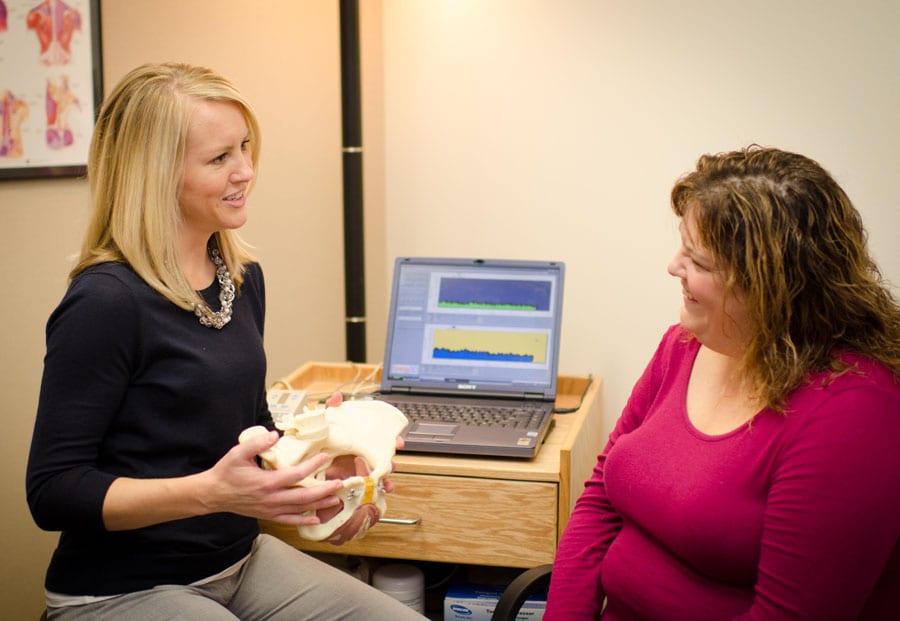
Saunders Therapy Centers offers specialty physical therapy to help people with incontinence. Our program incorporates simple, effective exercises which strengthen and restore balance to the neuromuscular system that supports the pelvic and/or prostate organs. In addition to exercise, biofeedback is sometimes used to help teach you the correct way to exercise the muscles of continence. This multi-faceted approach, along with behavior modification, typically yields significant improvement in 3-8 weeks for 80% of those seeking treatment, depending on severity.
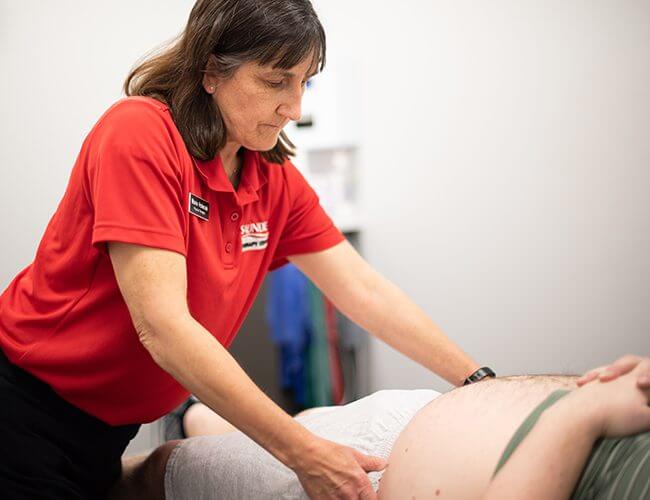
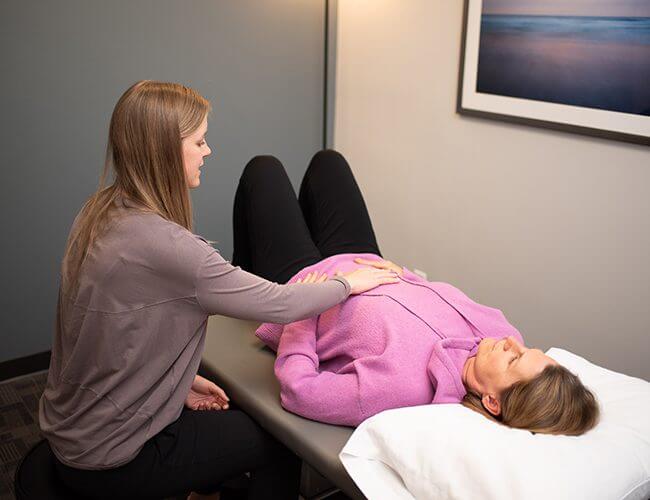
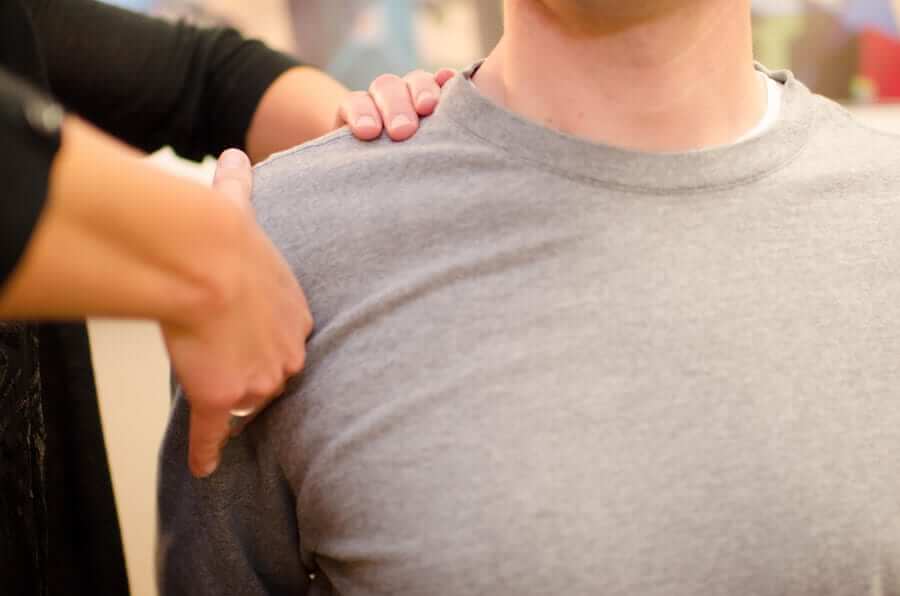
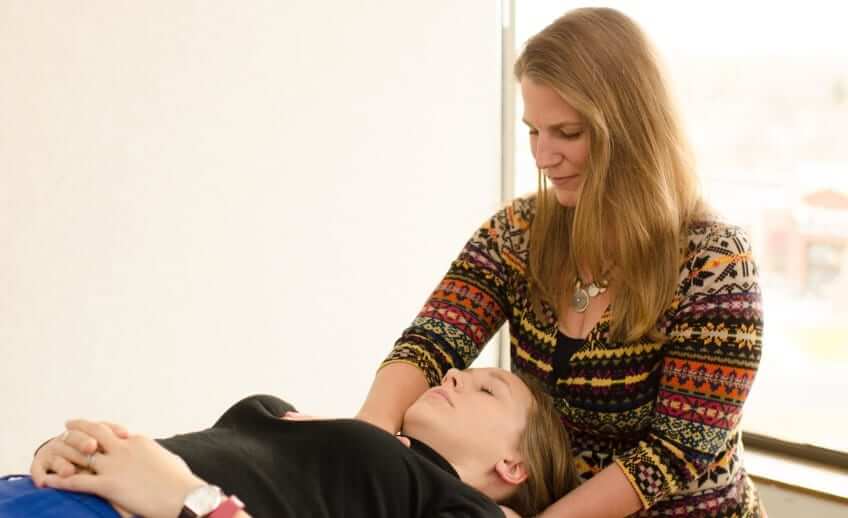
Physical Therapist performing Myofascial Therapy Technique

Comprehensive Pelvic Health Care for All Genders

Are you struggling with a leaky bladder, bloating, painful intercourse, or other pain in the abdomen or pelvis? Many people don’t realize that physical therapy treatment is an option. The pelvic floor has many muscles and tendons, and is an integral part of the musculoskeletal system.

It provides vital support to your organs, back and hips. Too often, issues here go unrecognized during a traditional pelvic exam. Pelvic floor physical therapy involves a specialized evaluation that assesses the presence of internal muscle spasms, trigger points, or weakness. Pelvic floor treatment often achieves a major improvement in quality of life. At Saunders Therapy Centers, our physical therapists have had special training and they can help.

Everyone has a pelvic floor! We are an inclusive practice and we work with all genders.

Here are some of the many pelvic health issues we can help with at Saunders Therapy Centers:

  • Urinary incontinence, urgency or frequency
  • Bowel incontinence
  • Constipation
  • Low and mid- back pain
  • Sacroiliac (SI) joint pain
  • Sciatica (leg pain)
  • Pain with penetration or intercourse
  • Painful scars or adhesions
  • Post-surgical pain
  • Pain during and after pregnancy
  • Post-partum pain and dysfunction
  • Diastasis Recti
  • Prolapse
  • Vulvodynia

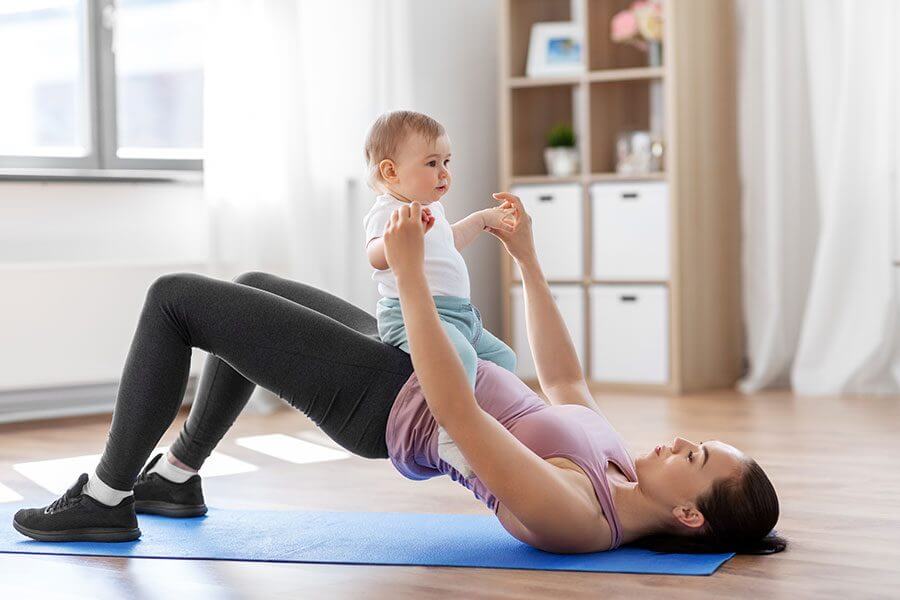
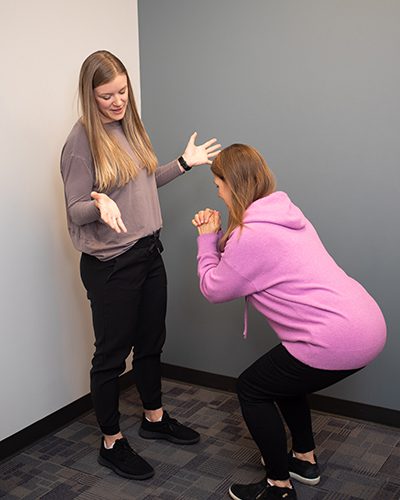
Pelvic Health Exercise

  • Coccyx (tailbone) pain
  • Vestibulitis
  • Interstitial cystitis
  • Pain from endometriosis
  • Pelvic pain
  • Pelvic Floor Muscle Dysfunction
  • Pain Pre- and Post Prostate surgery
  • Irritable Bowel Syndrome
  • Voiding Dysfunctions
  • Abdominal/groin/hip pain
  • CPPS (Chronic pelvic pain syndrome)
  • Prostatitis
  • Sexual health 

Pelvic Pain Conditions Treated

Painful Conditions Related to Pelvic Floor Dysfunction:

  • Low back and mid back pain
  • Sacroiliac (SI) pain
  • Pain with penetration or intercourse
  • Painful scars or adhesions
  • Post-surgical pain
  • Prolapse
  • Coccyx (tailbone) pain
  • Vestibulitis
  • Interstitial Cystitis
  • Pain during and after pregnancy
  • Pain from endometriosis
  • Abdominal pain
  • Irritable bowel syndrome
  • Sexual health concerns
  • CPPS (Chronic pelvic pain syndrome)
  • Pelvic floor dysfunction

What can physical therapy do for you?

Saunders Therapy Centers’ pelvic health specialists are skilled at evaluating the many different causes of your pelvic pain. Our program incorporates simple, effective exercises which strengthen or relax your pelvic floor muscles – this is highly variable and based on what YOUR body needs! Strengthening and restoring balance to the core musculature is often an important aspect to treatment. We also perform manual techniques as needed to restore balance to the neuromuscular system. All of these techniques help support your pelvic structures and return your system to more normal, pain-free function. This multi-faceted approach can be life-changing for many people.

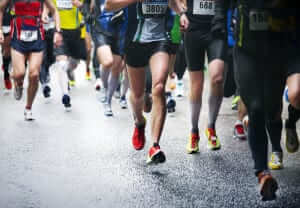
runners participate in marathon

Saunders Help for Runners

Running Injuries and Physical Therapy

Treating an injured runner often requires a comprehensive, multi-faceted approach tailored to the individual’s needs. Physical therapy may include a biomechanical evaluation, strength and flexibility training, manual therapy, joint and soft tissue mobilization, and a treadmill-based running analysis.

These interventions are designed to improve strength, stability, flexibility, and movement efficiency while supporting the body’s natural healing process. By identifying and addressing factors that may contribute to injury, physical therapy can help runners return to activity safely and reduce the risk of future problems.

A personalized home exercise program is also an important part of recovery. Exercises may focus on improving flexibility, building strength, enhancing balance and coordination, and reinforcing proper movement patterns to support a successful return to running.

Orthopedic Treatment Philosophy

  • Musculoskeletal Evaluation: We will evaluate muscle strength, imbalances, flexibility, posture, and specific functional tests to analyze biomechanics and movement patterns. From there we work to establish an individualized plan of care to address the findings.
  • Manual therapy: Joint and soft tissue mobilization helps to improve the flexibility and stability, promote healing, decrease muscle spasm.
  • Exercise: Very targeted exercises to restore strength, stability, mobility and balance are prescribed. We won’t waste your time with lengthy exercise “protocols”. Instead, we hone in on the most important activities specific to your condition.
  • Modalities: We use modalities like ultrasound, e-stim, heat and cold sparingly – our philosophy is more likely to be geared toward hands-on manual care and exercise.
  • Education: One of the most important features of our care is education to prevent reinjury. Often, simple changes in posture or lifestyle can make a big difference.
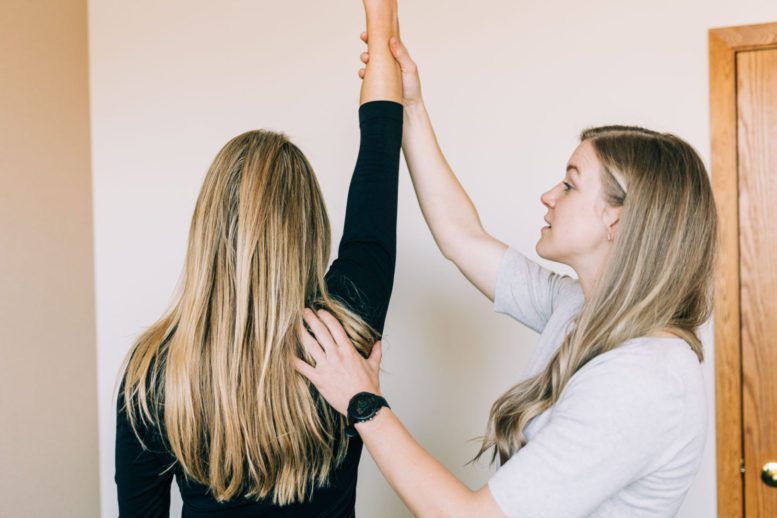
Jenn Joslyn DPT shoulder exam


Neck Pain Treatment

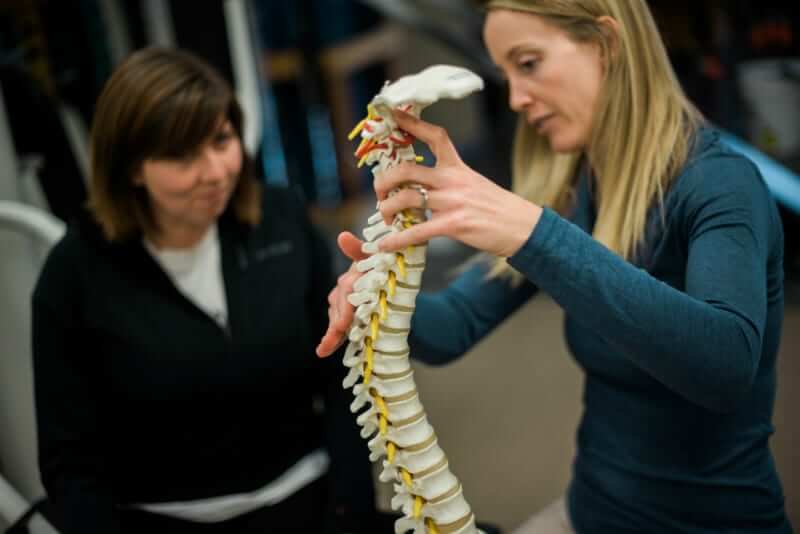
Saunders Therapy Centers clinicians are experienced in treating the complexity of the spine and provide effective, case-specific management of acute and chronic neck (cervical spine) problems. Neck pain is often accompanied by headache, arm, or lower back pain. We are skilled at connecting the dots – your evaluation and treatment plan will address all the related symptoms, and you’ll be on the road to recovery in no time.

Our Process

Musculoskeletal Evaluation: Our consultation starts with a thorough exam that includes an assessment of your posture, muscle flexibility and strength, spinal symmetry, and a neurological assessment.

Treatment: Your individual plan of care may include hands-on techniques to restore spinal symmetry and normal joint motion, reduce muscle tension, increase flexibility, and restore myofascial mobility.

Functional re-training will help normalize posture and body mechanics, correct faulty movement patterns, and strengthen the deep core muscles of the cervical spine. 

When is Neck Pain Serious?

When is Neck Pain Serious?

Neck pain is a common condition that often responds well to physical therapy. Treatment may include posture education, manual therapy, stretching, strengthening exercises, and individualized strategies to reduce pain, restore...
What Causes Neck Pain?

What Causes Neck Pain?

Cervical spine pain can be the result of a single event or trauma, or the result of a combination of factors including poor posture, declining physical fitness, and/or repetitive activities,...
Therapy For Neck Pain

Therapy For Neck Pain

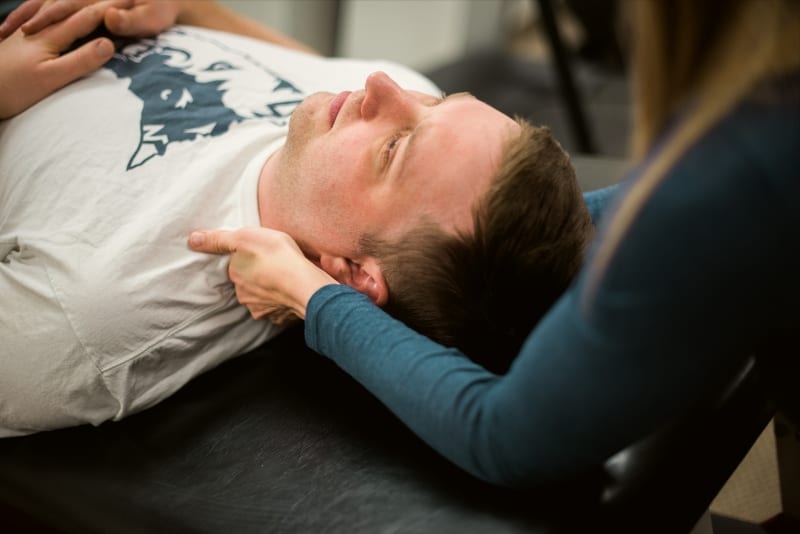
Physical therapists can immediately decrease neck pain with manual therapy, myofascial techniques, postural training, and restoring muscular length and strength through specific exercise.

Treatment of Sports Injuries

Saunders offers treatment of sports injuries as a subset of its orthopedic physical therapy services. Our physical therapists develop individualized rehabilitation plans focused on performance optimization and prevention of reinjury.

  • Musculoskeletal Evaluation: We will evaluate muscle strength, imbalances, flexibility, posture, and specific functional tests to analyze biomechanics and movement patterns. From there we work to establish an individualized plan of care to address the findings.
  • Manual therapy: Joint and soft tissue mobilization helps to improve the flexibility and stability, promote healing, decrease muscle spasm, and improve efficiency with performance.
  • Neuromuscular Re-education Training: This includes performing hands on resistive training or balance/proprioception activities in the gym to improve your body’s awareness and muscular control.
  • Sport specific Training: We educate the individual in appropriate interval training programs for throwing and running, and to assist with a safe return to activity.
  • Education: Especially with young athletes, it is very important to educate both the individual and family on injury prevention, activity modification, and acute medical management of injuries, so these growing individuals can prevent future injuries.
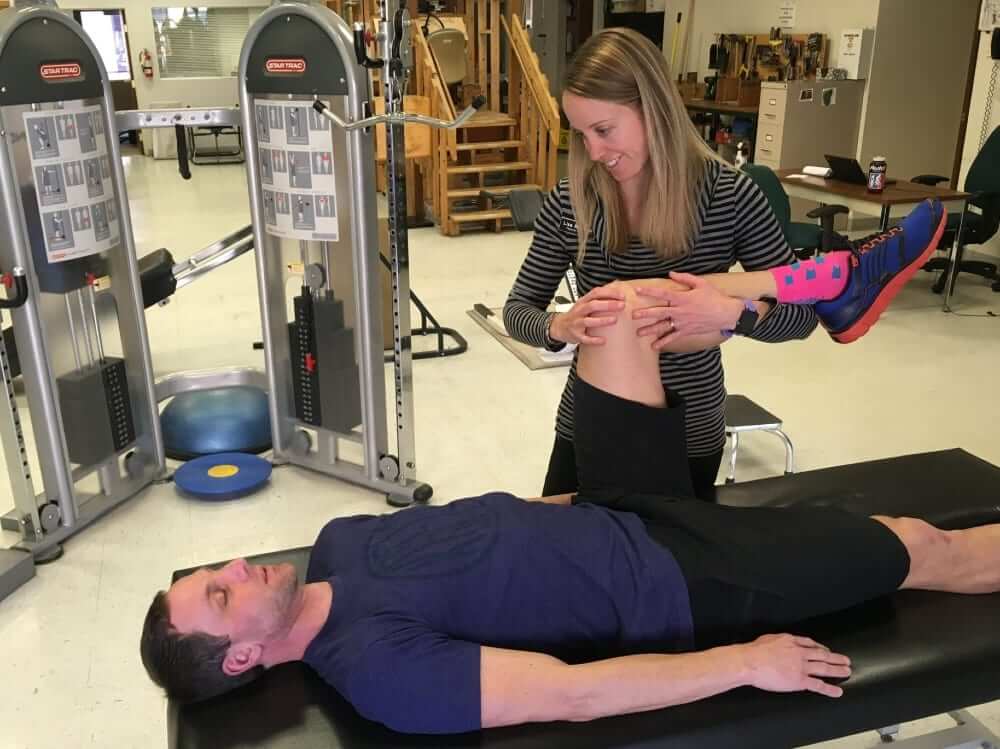
Sports physical therapy treatment at Saunders Therapy Centers