Blogs

How Physical Therapy for Workers Compensation Injuries Gets You Back to Work Faster

Key Takeaways

  • Workers’ compensation can delay or complicate physical therapy for reasons that have nothing to do with your injury.
  • Missing paperwork, unclear documentation, and insurance disputes are common but they’re also preventable. 
  • At Saunders Therapy Centers, we’ve seen every obstacle the workers’ comp system creates, and we know how to get around them.
  • Our experience with documentation, insurer communication, and Minnesota’s workers’ comp process means fewer delays and a faster path back to work.
 

Workplace injuries don’t wait for paperwork to catch up. But workers’ compensation systems sometimes make it feel that way. For injured workers in St. Paul, delays in physical therapy approval can mean weeks of unnecessary pain and time away from work.

At Saunders Therapy Centers, Inc, we specialize in workers’ compensation physical therapy and that means we don’t just treat your injury. We manage the entire process alongside you so that approvals come through faster, documentation is always complete, and your recovery stays on track.

Why Do Workers’ Comp Physical Therapy Claims Run Into Problems?

Workers’ compensation insurers review every treatment request closely. When something doesn’t meet their requirements even on a technicality, they can delay or push back on approval. Here’s where most problems come from, and how our experience keeps them from slowing you down.

Is the physical therapy medically necessary?

Insurers want to see clear, detailed documentation that justifies every phase of treatment. Vague progress notes or general physician referrals often aren’t enough. At Saunders, we’ve worked with workers’ comp cases long enough to know exactly what level of detail insurers require. Our documentation is thorough, specific, and built to hold up to scrutiny so your therapy doesn’t get held up over paperwork.

What happens if records are incomplete?

Missing referrals, incorrect claim numbers, or incomplete injury descriptions are among the most common reasons treatment gets delayed. It’s rarely about the injury itself — it’s administrative. Because our team handles workers’ comp cases regularly, we catch these issues before they become problems. We verify documentation early and communicate directly with adjusters and physicians to keep everything aligned.

What if there is a dispute about the injury?

Sometimes the insurer and patient disagree about whether the injury happened at work. If there is any doubt, treatment may be delayed or denied until the issue is resolved.

This is common in:

  • Repetitive strain injuries
  • Back or neck pain with unclear causes
  • Injuries reported after a delay

Clear communication from your healthcare provider is important in these situations.

Does timing affect workers’ compensation approval?

Yes. Delays in reporting an injury or starting treatment can create complications. Insurance companies may question whether the injury is severe enough to require workers compensation physical therapy.

Early reporting and early treatment often lead to smoother approvals.

What is Maximum Medical Improvement?

Maximum Medical Improvement, often called MMI, is when an insurer believes your condition is not expected to improve further with treatment. Once this is reached, therapy may be reduced or stopped.

However, patients may still feel pain or limitations even after reaching this stage. That is why proper evaluation and documentation are important.

1
Book Your Free 15‑Minute Therapist Call – No Obligation!


Why is Choosing the Right Workers Compensation Physical Therapy Provider Important?
Workers’ compensation cases can be complex, but the right care team can make a major difference in your recovery experience. When documentation, communication, and treatment all work together, approvals become smoother and recovery becomes more predictable.

At Saunders Therapy Centers, Inc, we focus on helping injured workers in St. Paul get back to daily life with less stress. We handle the paperwork, coordinate with insurance providers, and provide personalized therapy plans that match your condition and goals.

How Do You Find Physical Therapy that Accepts Workers Compensation?

Finding the right provider is one of the most important steps in recovery. Not all clinics handle workers’ compensation cases, so choosing the right one matters.

If you are in or near St. Paul, look for a clinic that:

Many patients search online for physical therapy near me that accepts workers compensation because they want a clinic that can handle both treatment and paperwork. This reduces stress and helps avoid delays in care.

Why Local Care Matters in St. Paul, MN

Receiving care in the St. Paul area offers several advantages for injured workers.

Faster coordination with providers

Local clinics can quickly communicate with nearby doctors, employers, and case managers.

Better understanding of state requirements

Minnesota workers’ compensation rules can be complex. Local providers are more familiar with these processes.

Convenient access to care

Being close to your therapy clinic makes it easier to stay consistent with appointments, which supports better recovery outcomes.

What Do Patients Say About Our Service?

All the ladies are amazing and helpful, they do a really good job of figuring out what you need and help you get back into shape. I highly recommend Saunders for your physical therapy needs.” – Craig Christiansen

Words can’t express my gratitude to all the wonderful people at Saunders Therapy, This place has the most professional and amazing staff. Thank you for your Great job and patience with me.” – Ada Zepeda

Caring and knowledgeable staff use just the right amount of encouragement and grit to improve ability post injury.” – Melanie Vosdingh

1
Schedule Your Same‑Day Pain Screening


Frequently Asked Questions About Workers Compensation Physical Therapy

Why would workers’ compensation deny physical therapy?

Common reasons include lack of medical necessity, missing paperwork, injury disputes, or reaching maximum medical improvement.

Can I choose my own physical therapy provider?

Yes, but you must choose a clinic that accepts workers’ compensation and is approved for your claim.

How long does workers compensation physical therapy last?

It depends on your injury, progress, and insurance approval. Some cases last a few weeks, others several months.

What should I do if my therapy is delayed?

Contact us. We work with patients navigating claim complications regularly and know how to move things forward.

Ready to Get Back to Work?
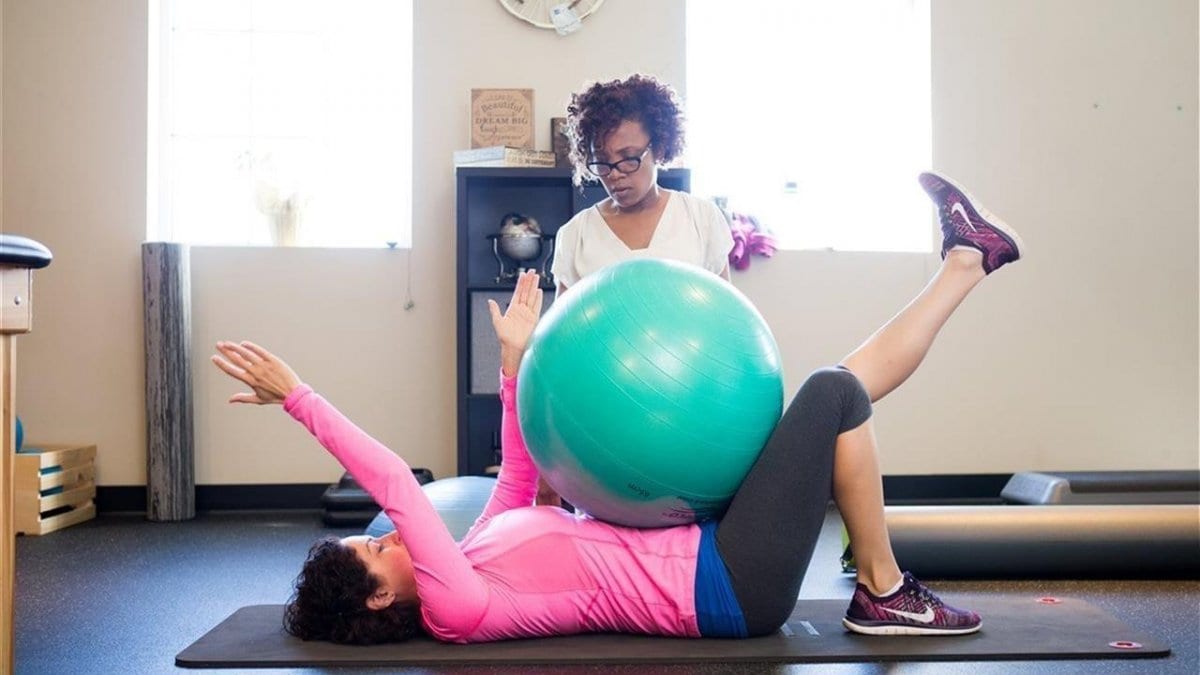
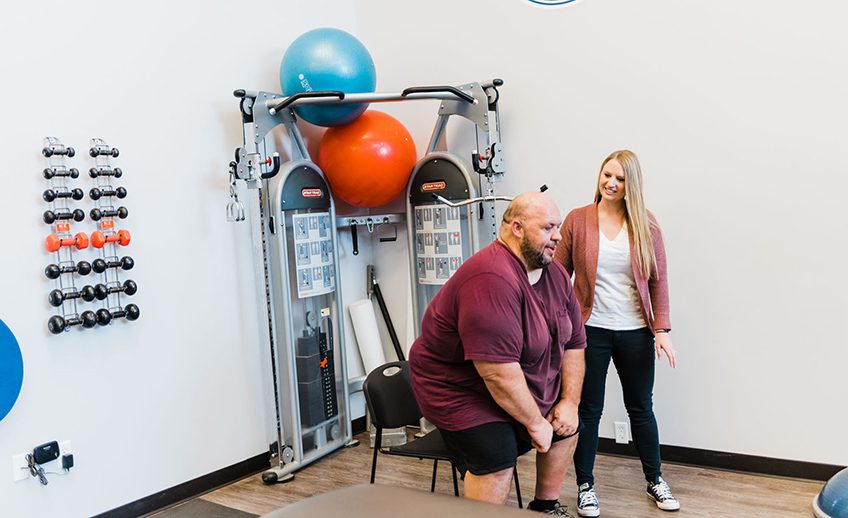
woman on back performing core strengthening with ball exerciseIf you’ve been injured on the job and you’re looking for workers’ compensation physical therapy in the St. Paul area, Saunders Therapy Centers is ready to help. We’ll guide you through every step from your first evaluation to your return to work.

Contact us today to schedule an evaluation and take the next step toward recovery. Your recovery matters, and with the right guidance, you can move forward with confidence and clarity.

Found this helpful? If you know someone dealing with a workplace injury or struggling to get their workers’ compensation physical therapy approved, feel free to share this with them. The workers’ comp process can feel overwhelming but with the right clinic handling the coordination, it doesn’t have to be. If they’re searching for physical therapy in St. Paul, MN that accepts workers’ compensation, Saunders Therapy Centers is ready to help them take the next step toward recovery.

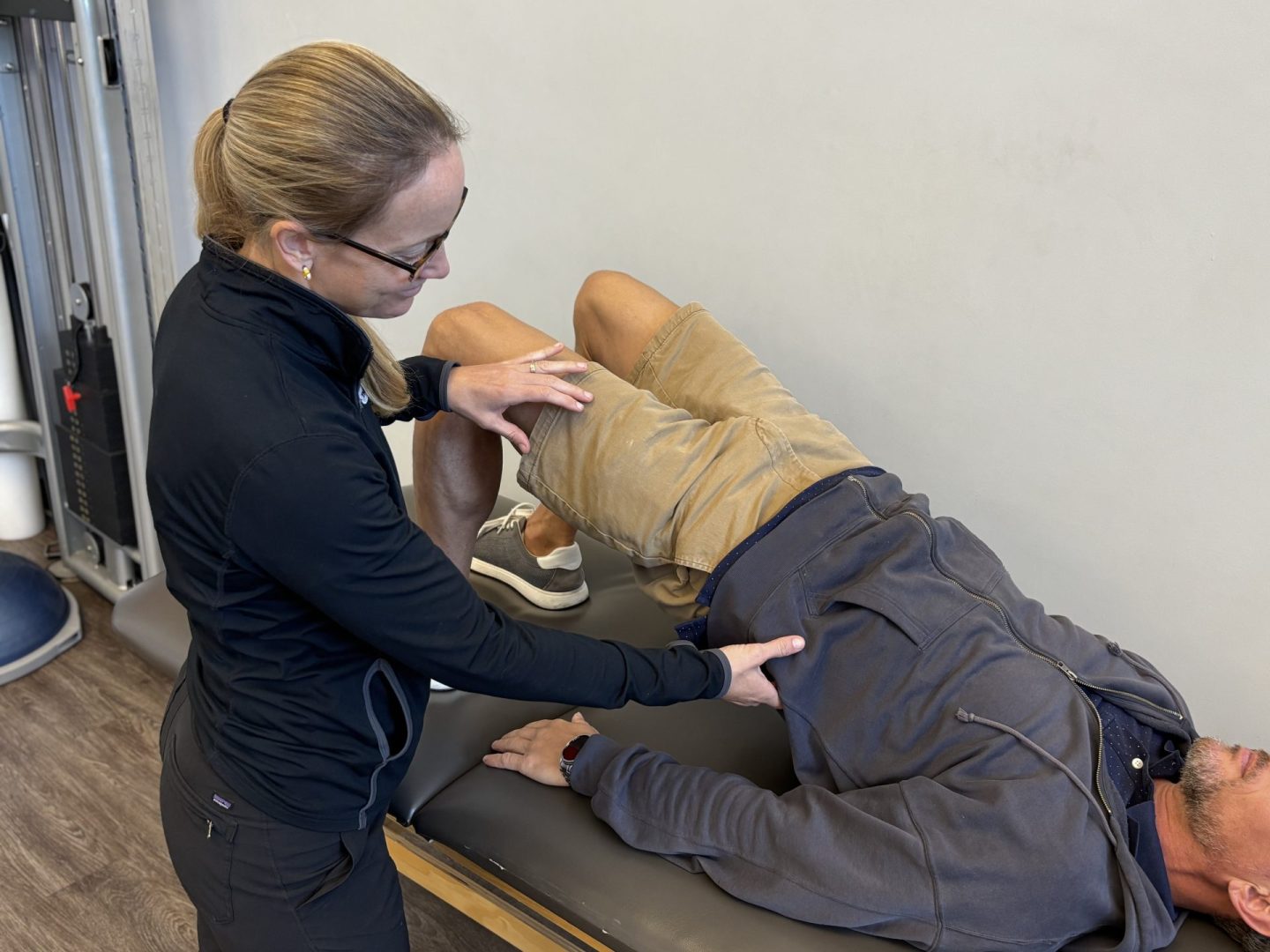
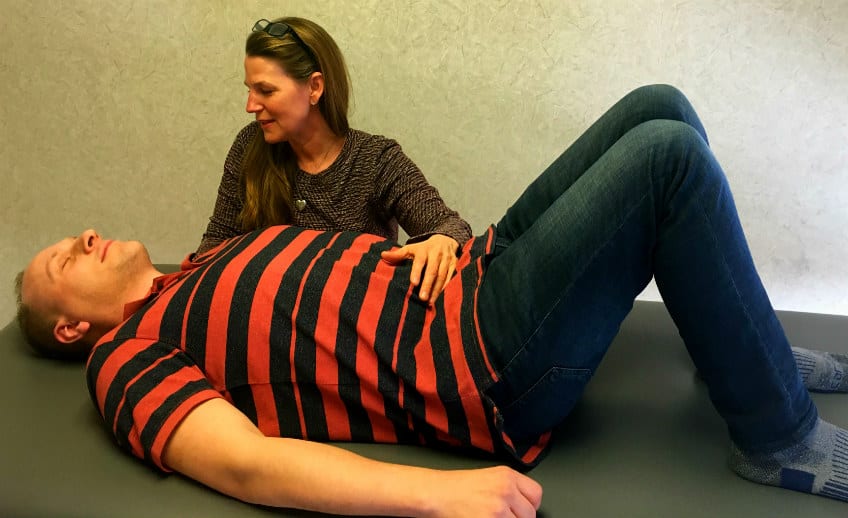
Man Deep Breathing in Supine Position

What Physical Therapy Treats Urinary Issues in Men?

Key Takeaways:

  • Men’s health physical therapy can effectively treat urinary issues through specialized male pelvic floor physical therapy.
  • Early intervention and personalized therapy plans improve bladder control, reduce pain, and restore confidence.
  • Saunders Therapy Centers, Inc offers expert, hands-on care in Minnesota, making it a trusted physical therapy clinic for men’s urinary health.

Man Deep Breathing in Supine PositionUrinary issues in men can be uncomfortable, frustrating, and even impact daily life. Problems like frequent urination, urgency, leakage, or difficulty emptying the bladder are more common than many men realize. The good news is that men’s health physical therapy can help. Specialized therapy for the pelvic floor muscles can restore bladder control, reduce pain, and improve quality of life without relying solely on medications or surgery.

At Saunders Therapy Centers, Inc, we have been serving men in Minnesota and surrounding areas for over three decades. Our team specializes in male pelvic floor physical therapy and provides individualized care in a friendly, private, and professional physical therapy clinic setting. We are committed to helping men regain confidence and take control of their health with evidence-based treatment plans.

What Causes Urinary Problems in Men?

Urinary issues in men can stem from several causes, and understanding the root problem is essential for effective treatment. Common causes include:

  • Weak pelvic floor muscles that are unable to support the bladder properly
  • Enlarged prostate or effects from prostate surgery
  • Nerve damage from diabetes, spinal injuries, or other conditions
  • Chronic prostatitis or inflammation of the prostate
  • Lifestyle factors such as sedentary habits, diet, and hydration

These issues can lead to leakage, urgency, nocturia (frequent nighttime urination), or difficulty starting and stopping urination. By focusing on the muscles, nerves, and habits that affect urinary function, men’s health physical therapy provides a natural and effective solution.

1
Book Your Free 15‑Minute Therapist Call – No Obligation!


How Can Physical Therapy Help Men With Urinary Issues?

Male pelvic floor physical therapy is specifically designed to strengthen and retrain the muscles that control the bladder and urethra. A physical therapy clinic like Saunders Therapy Centers, Inc provides personalized treatment to address the unique needs of men.
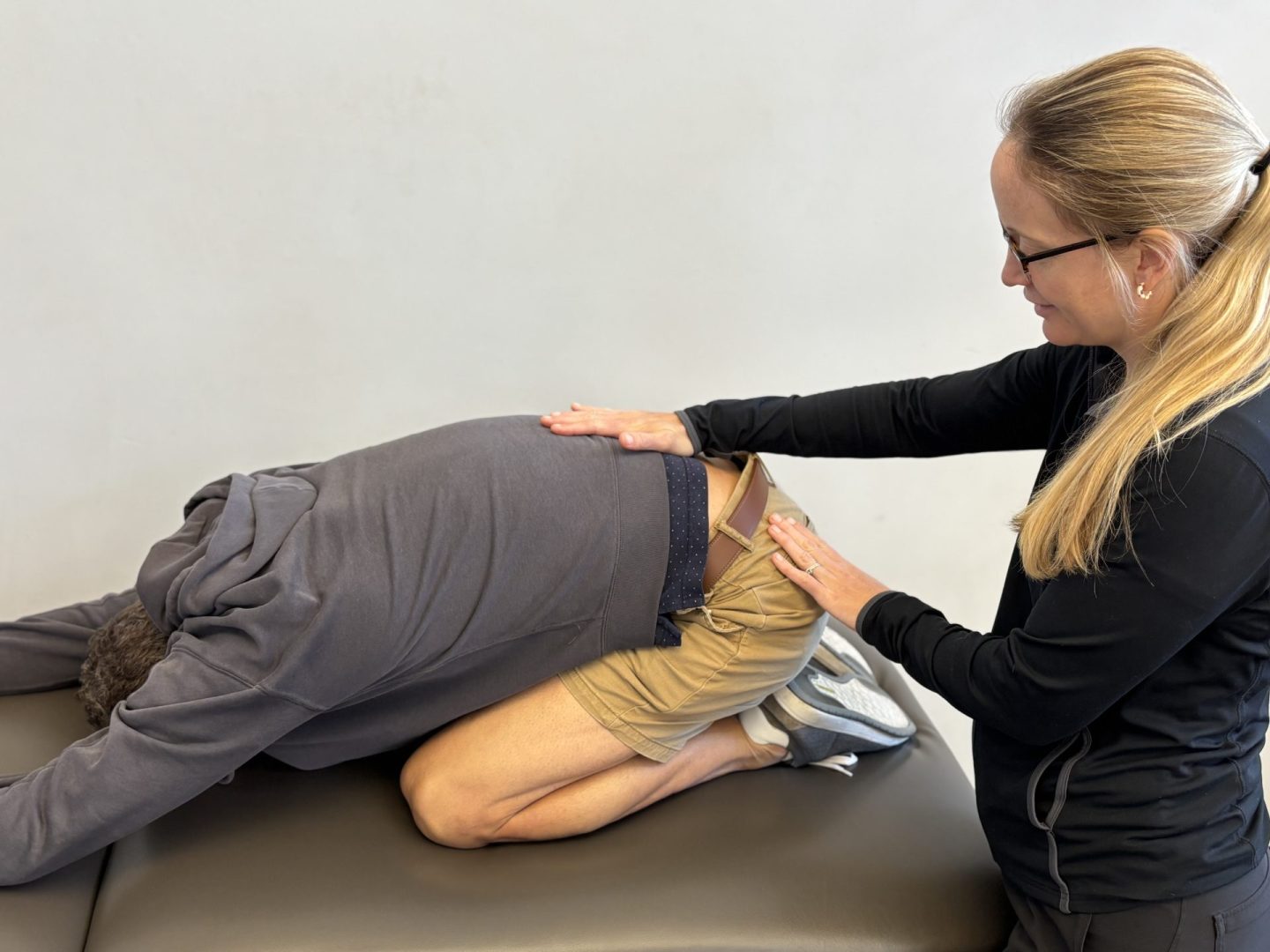
Here’s what therapy can include:

  • Pelvic floor exercises that strengthen weak muscles and improve bladder control
  • Bladder training to help manage urgency and reduce trips to the bathroom
  • Posture and core strengthening to support pelvic stability
  • Lifestyle guidance including diet, hydration, and habits to maintain long-term bladder health

By targeting the root cause of urinary dysfunction, therapy not only treats current symptoms but also helps prevent future issues.

What Does a Typical Therapy Session Look Like?

During your first visit, your therapist will complete a thorough assessment. This may include questions about your urinary habits, medical history, and any discomfort you are experiencing.

Your customized plan may include:

  • Hands-on therapy to relax and activate pelvic floor muscles
  • Guided exercises to strengthen and coordinate the muscles
  • Instruction on at-home exercises for daily practice
  • Education on proper bladder habits and posture

Sessions are private, professional, and designed specifically for men’s health physical therapy, ensuring that you feel comfortable while making meaningful progress.

Can Lifestyle Changes Improve Urinary Health?

Along with therapy exercises, simple lifestyle changes can support urinary health. Some tips include:

  • Maintain a healthy weight to reduce pressure on the bladder
  • Stay active with regular walking, stretching, and light resistance exercises
  • Limit bladder irritants such as caffeine, alcohol, and highly acidic foods
  • Practice scheduled voiding to train your bladder for longer intervals between bathroom trips
  • Strengthen core muscles to support the pelvis and bladder

Combining therapy with these lifestyle adjustments can speed up results and make improvements more long-lasting.

Are There Different Types of Men’s Health Physical Therapy?

Yes, male pelvic floor physical therapy can be tailored to specific conditions. Some common types include:
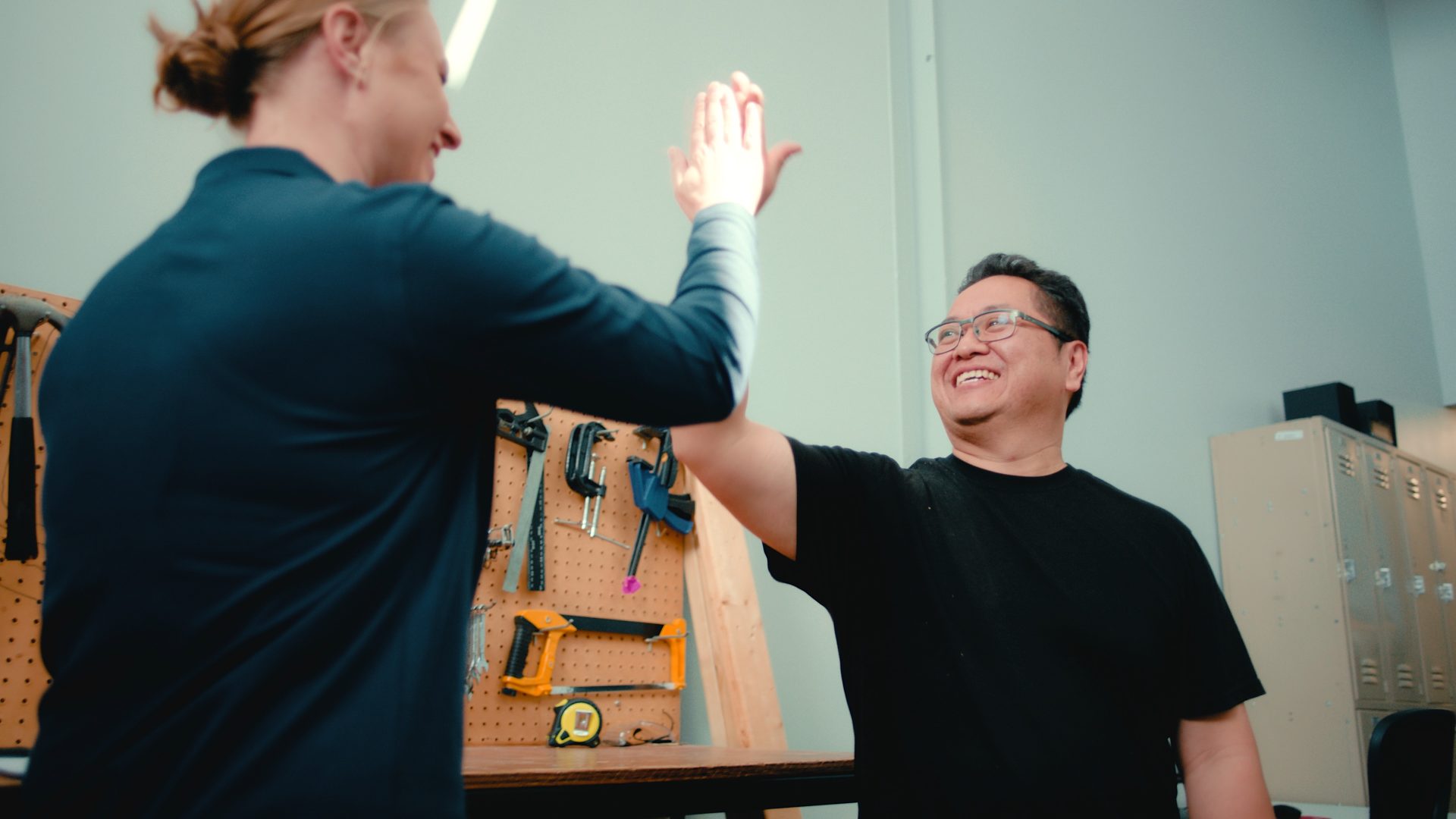
  • Post-prostate surgery therapy to restore bladder control
  • Chronic pelvic pain therapy to relieve pain and tension in pelvic muscles
  • Incontinence management for men with leakage issues
  • Work-related rehabilitation for men recovering from injury affecting the pelvic area
  • Athletic performance and prevention for men who want to maintain pelvic health and core strength

Therapists evaluate each patient individually to determine which approach is most effective.

1
Schedule Your Same‑Day Pain Screening


Customer Testimonials

Here is what some of our patients have shared about their experience at Saunders Therapy Centers, Inc:
The staff at the st Paul location was phenomenal! Couldn’t ask for better physical therapist. The care that is provided and the personal attention that they give you is above and beyond expectations. I would definitely recommend them. Thanks again you guys!!” – Jose Dominguez

Lisa Martens is fantastic! My parents were visiting for a couple of weeks and they went to the Saunders St Paul office for physical therapy for improved balance and to reduce falls. We’ll definitely be coming back next time they are in town.” – Michael Soto

This place is awesome. They are all great and help tremendously in my recovery. I use everything they taught me everyday and feel better each and everyday too. Thanks Ty and everyone.” – Josh Jonas

FAQs About Men’s Health Physical Therapy

  1. Is male pelvic floor physical therapy painful?
    No. Therapy is gentle and designed to improve muscle function gradually. Some exercises may feel challenging but should never cause pain.
  2. How long does it take to see results?
    Most patients notice improvement within a few weeks, but complete results depend on the condition and consistency with therapy exercises.
  3. Do I need a referral from my doctor?
    In Minnesota, you can often see a physical therapist without a doctor’s referral. Saunders Therapy Centers, Inc accepts self-referrals for men’s health concerns.
  4. Can physical therapy help after prostate surgery?
    Absolutely. Pelvic floor therapy is especially effective after procedures like prostatectomy to restore bladder control and reduce discomfort.
  5. Is this therapy only for older men?
    Not at all. Men of all ages can benefit from men’s health physical therapy if they have urinary concerns or pelvic floor dysfunction.

Why Men in Minnesota Choose Saunders Therapy Centers, Inc

We proudly serve men in Minneapolis, St. Paul, Bloomington, and surrounding areas. Choosing Saunders Therapy Centers, Inc means:

  • Access to expert therapists trained in male pelvic floor therapy
  • Personalized treatment plans tailored to your unique needs
  • Proven, hands-on techniques that improve urinary function and pelvic health
  • Private, comfortable clinics near you in the Twin Cities

Our commitment is to provide effective, long-term results in a supportive and professional environment.

How to Know If You Should Start Physical Therapy

If you are experiencing any of the following, it may be time to schedule a consultation:

  • Leakage during exercise, coughing, or sneezing
  • Frequent or urgent trips to the bathroom
  • Discomfort or pain in the pelvic region
  • Difficulty starting or stopping urination
  • Post-surgery urinary changes

Don’t wait until the problem worsens. Early intervention with men’s health physical therapy often leads to faster and more complete recovery.

1
Compassionate Care Starts Here


What Makes Us Experts in Men’s Health Physical Therapy?

At Saunders Therapy Centers, Inc, we have over 30 years of experience treating men’s health concerns. Our therapists are specially trained in male pelvic floor physical therapy and stay updated on the latest techniques. We focus on hands-on, personalized care to help men regain control, confidence, and independence.

If urinary issues are affecting your life, Saunders Therapy Centers, Inc is here to help. With our expert team, proven techniques, and welcoming clinics in Minnesota, we are your trusted choice for men’s health physical therapy.

Schedule your consultation at one of our clinics and start your journey to better bladder control and pelvic health. Your comfort, confidence, and health are our top priorities.

Found this article helpful? Share it with friends, family, or anyone who could benefit from men’s health physical therapy. Use the link to post on your favorite social media platforms. Help others discover how Saunders Therapy Centers, Inc can support men’s urinary health!

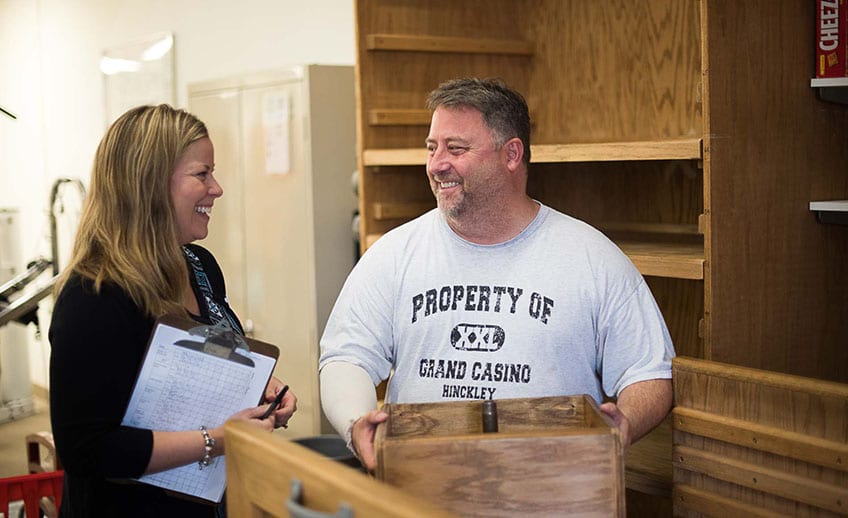
physical therapist teaches relaxation technique to patient in supine

Can Pelvic Floor Therapy Help with Male Pelvic Pain or Testicular Discomfort?

Key Takeaway

  • Pelvic floor therapy can relieve male pelvic pain and testicular discomfort by strengthening and relaxing pelvic muscles.
  • Saunders Therapy Centers, Inc provides expert, personalized care for men in Minnesota and surrounding areas.
  • Early therapy combined with lifestyle changes improves long-term comfort, bladder control, and sexual function.


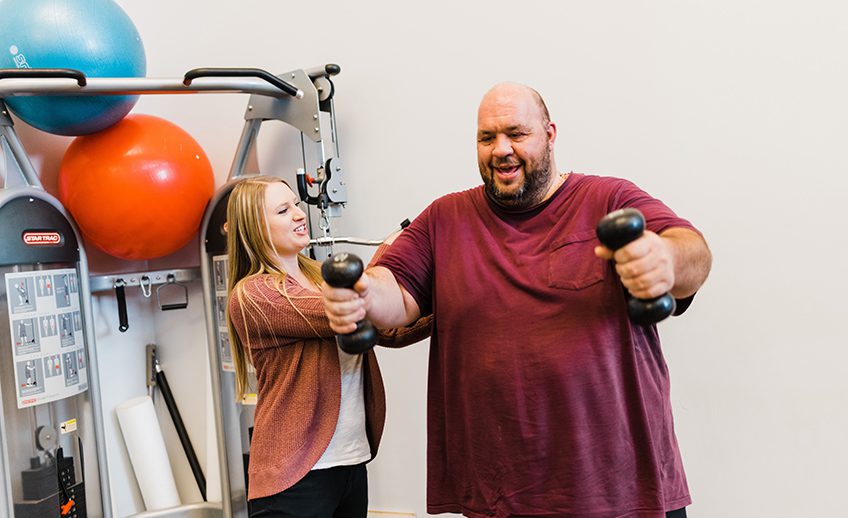
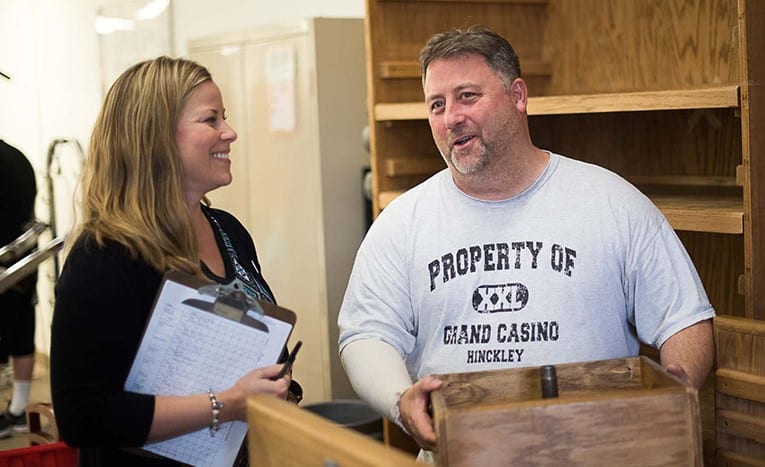
occupational therapist assists client handling boxYes, pelvic floor therapy can help men who experience pelvic pain or testicular discomfort. Many men suffer in silence because they do not know where to turn, but therapy for the pelvic floor muscles can provide relief. These specialized treatments target the muscles that support the bladder, bowel, and reproductive organs, helping to reduce tension, improve circulation, and ease discomfort in the pelvic area and testicles.
At Saunders Therapy Centers, Inc, we have been helping men in Minnesota and surrounding areas manage pelvic pain and related issues. Our team of trained professionals focuses on male pelvic health and creates personalized therapy plans that address each patient’s specific needs. We pride ourselves on providing compassionate care and a safe environment where men can openly discuss sensitive concerns.

What Is Pelvic Floor Therapy for Men?

Pelvic floor therapy is a type of physical therapy that focuses on strengthening, relaxing, and retraining the muscles in the pelvic region. While most people associate physical therapy with the back, shoulders, or knees, the pelvic floor muscles are just as important for overall health. These muscles support vital organs, help with bladder and bowel control, and play a role in sexual function.

Therapy may include guided exercises, stretching, breathing techniques, and manual therapy to release tight muscles. The goal is to restore normal function, reduce pain, and prevent further complications.

1
Book Your Free 15‑Minute Therapist Call – No Obligation!


What Causes Male Pelvic Pain and Testicular Discomfort?

physical therapist assistant helping client perform exercise with dumbellsSeveral factors can lead to pelvic pain or discomfort in men. Understanding the causes can help determine if pelvic floor therapy is the right solution:
  • Muscle tension or weakness: Overuse or underuse of the pelvic floor muscles can cause pain.
  • Injury or trauma: Sports injuries, accidents, or surgery can affect pelvic muscles and nerves.
  • Prostate issues: Inflammation or infection in the prostate can create pelvic and testicular discomfort.
  • Nerve irritation: Compression or irritation of pelvic nerves can lead to chronic pain.
  • Lifestyle factors: Prolonged sitting, heavy lifting, or poor posture can strain pelvic muscles.

Pelvic floor therapy addresses these causes by helping the muscles regain strength, flexibility, and proper coordination.

How Pelvic Floor Therapy Provides Relief

Men who participate in pelvic floor therapy often notice improvements in several areas:

  • Pain reduction: Therapy releases tension and reduces inflammation in the pelvic muscles.
  • Improved bladder control: Strengthening the muscles can help prevent urinary problems.
  • Better sexual function: Some men report improved erectile function and reduced discomfort during intimacy.
  • Enhanced overall mobility: Pelvic floor exercises can support lower back stability and core strength.

Regular sessions combined with at-home exercises provide the best results.

How Do Pelvic Floor Therapists Work With Men?

At Saunders Therapy Centers, Inc, we use a comprehensive approach for male pelvic health. Our therapists begin with a detailed assessment to understand your symptoms, lifestyle, and medical history. From there, we create a customized therapy plan that may include:

  • Specific exercises to strengthen weak muscles
  • Relaxation techniques to release tension
  • Guidance on posture and body mechanics
  • Education about habits that may worsen discomfort

Our therapists also provide support and advice throughout the healing process. Many men find relief faster than they expected when following a structured therapy plan.

Common Conditions Treated With Pelvic Floor Therapy

Pelvic floor therapy can help with a variety of conditions that cause male pelvic pain and testicular discomfort:

  • Chronic pelvic pain syndrome
  • Prostatitis
  • Pain after surgery or injury
  • Pain associated with heavy lifting or sports
  • Testicular discomfort without an identifiable cause

Even if the pain is mild, addressing it early with therapy can prevent it from becoming chronic.

Lifestyle Changes That Support Therapy

Pelvic floor therapy is most effective when combined with lifestyle changes. These adjustments help maintain long-term relief:

  • Regular exercise: Strengthening the core and lower body supports pelvic health.
  • Good posture: Sitting and standing correctly reduces strain on pelvic muscles.
  • Diet and hydration: Reducing inflammation and staying hydrated supports muscle function.
  • Stress management: High stress can cause muscle tension, including in the pelvic area.
  • Avoiding prolonged sitting: Take breaks to stretch and move to prevent tightness.

Therapists at Saunders Therapy Centers, Inc provide guidance on these habits to complement your therapy sessions.

1
Schedule Your Same‑Day Pain Screening


Customer Reviews and Testimonials

occupational therapist chatting with smiling client carrying boxHere’s what some of our clients in Minnesota have shared:
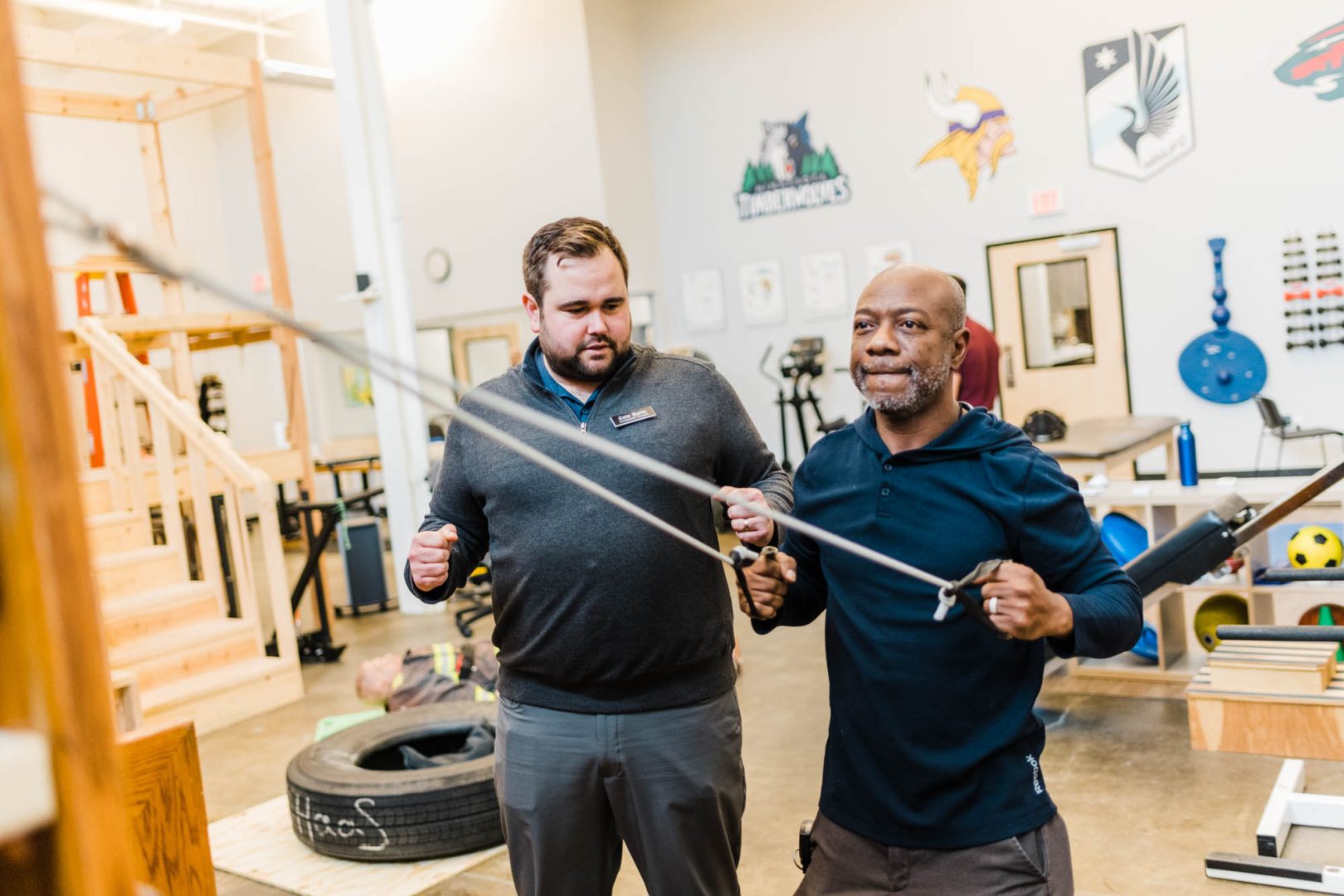
Jose Dominguez:
The staff at the st Paul location was phenomenal! Couldn’t ask for better physical therapist. The care that is provided and the personal attention that they give you is above and beyond expectations. I would definitely recommend them. Thanks again you guys!!

Verner Johnson:
It’s has been a very mutual learning experience for me with Lisa Martens and very successful.

Josh Jonas:
This place is awesome. They are all great and help tremendously in my recovery. I use everything they taught me everyday and feel better each and everyday too. Thanks Ty and everyone.

These testimonials show how therapy can make a real difference for men struggling with pelvic discomfort.

Pelvic Floor Therapy in Minnesota and Surrounding Areas

If you live in Minneapolis, St. Paul, Rochester, or nearby communities, Saunders Therapy Centers, Inc provides specialized care close to home. Our local therapists are familiar with the unique needs of men in Minnesota and create treatment plans tailored to your lifestyle.

We understand the importance of privacy and comfort when dealing with sensitive health issues. Our centers offer a safe environment where men can discuss their symptoms openly and receive professional guidance without judgment.

Frequently Asked Questions

  1. Is pelvic floor therapy painful?
    Not usually. Some mild stretching or pressure may be felt during exercises or manual therapy, but our therapists ensure each session is comfortable.
  2. How long does it take to see improvement?
    Most men notice relief in 4 to 6 weeks, especially when therapy sessions are combined with at-home exercises.
  3. Do I need a doctor’s referral to start therapy?
    Not always. Many patients come directly to us, but it’s recommended to check with your doctor if you have ongoing pain or a medical condition.
  4. Can pelvic floor therapy prevent future pelvic pain?
    Yes. Learning how to strengthen and relax pelvic muscles reduces the risk of future discomfort.
  5. Is therapy only for older men?
    No. Men of all ages, including athletes, office workers, and active adults, can benefit from pelvic floor therapy.
1
Compassionate Care Starts Here


How Can I Get Started With Pelvic Floor Therapy?

occupational therapist assists patient performing upper back exercise in gymIf you are experiencing pelvic pain or testicular discomfort, the first step is scheduling an evaluation with a qualified pelvic floor therapist. At Saunders Therapy Centers, Inc, our experts in male pelvic health will guide you through the process, create a customized therapy plan, and support you every step of the way.

You can call our office or schedule an appointment online to begin your journey toward relief. The sooner you start, the sooner you can experience improved comfort, better mobility, and a higher quality of life.

Why Should I Choose Saunders Therapy Centers, Inc?

Our team specializes in male pelvic health and understands the challenges that come with pelvic pain and testicular discomfort. We combine advanced therapy techniques, personalized care, and a welcoming environment to help men feel comfortable and confident during treatment.

With locations throughout Minnesota and surrounding areas, our therapists provide high-quality care close to home. Men who trust Saunders Therapy Centers, Inc gain access to professionals who are knowledgeable, supportive, and committed to real results.

Learn how therapy can help and start feeling relief today. Saunders Therapy Centers, Inc in Minnesota specializes in male pelvic health. [Click the link here!]

Migraine Causing Dizziness

Can Pelvic Floor Therapy Improve Symptoms of Menopause-Related Pelvic Weakness?

Yes, pelvic floor therapy can help improve symptoms of menopause related pelvic weakness. Many women begin to notice bladder leaks, pelvic pressure, discomfort during daily movements, or a feeling of heaviness in the lower body once they reach menopause. These symptoms are extremely common because hormonal changes affect the muscles that support the bladder, uterus, and bowel. Pelvic floor therapy strengthens these muscles, teaches them to work correctly, and helps reduce many of the uncomfortable changes that aging and menopause can bring.

In Minnesota and the surrounding areas, Saunders Therapy Centers, Inc supports women through these changes with professional pelvic floor therapy. Our team is known for being kind, patient, and very experienced in helping women understand their bodies in simple, easy to follow ways. We focus on comfort, education, and confidence, so you always feel safe while learning how to strengthen and support your pelvic health.

What Happens to the Pelvic Floor During Menopause?

As the body produces less estrogen, the pelvic muscles naturally become weaker. Estrogen helps keep these muscles strong, flexible, and supportive. When hormone levels drop, the pelvic floor can lose strength, which may lead to:

  • Bladder leakage when you laugh, cough, jump, or exercise
  • A feeling of pressure or heaviness in the pelvis
  • Trouble holding urine
  • Low back or hip discomfort
  • Pain during walking or simple movements
  • Less support when lifting or bending

Many women feel embarrassed to talk about these symptoms, but they are extremely normal. The important thing to know is that they can improve with targeted therapy.

1
Book Your Free 15‑Minute Therapist Call – No Obligation!


Why Does Pelvic Weakness Become More Noticeable During Menopause?

Pelvic muscles work like a support hammock for the organs in the lower body. They keep the bladder, bowel, and uterus lifted and working smoothly. When these muscles begin to weaken, you may feel:
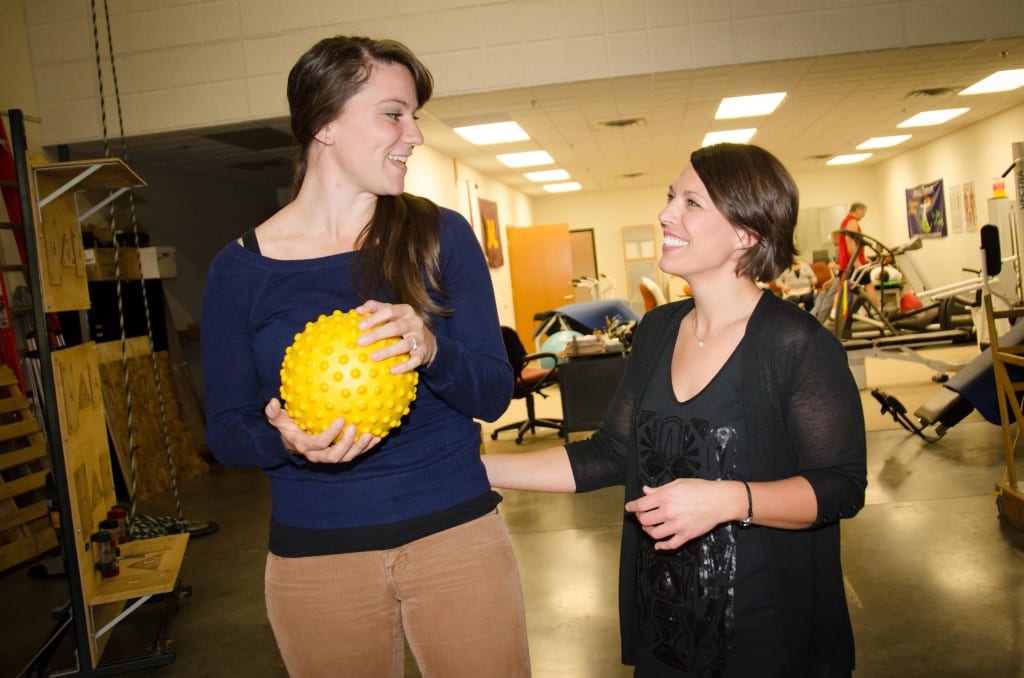
  • A harder time controlling your bladder
  • A sense that something feels different inside
  • Pressure that was never there before
  • Difficulty starting or stopping urine flow

Menopause speeds up this weakening because estrogen drops at a quicker rate. Stress, pregnancy history, childbirth, heavy lifting, and lack of exercise can also make symptoms stronger. Pelvic floor therapy helps restore strength, control, and stability.

How Does Pelvic Floor Therapy Help During Menopause?

Pelvic floor therapy focuses on retraining weak muscles and teaching your body new, healthier movement patterns. At Saunders Therapy Centers, Inc, therapists use gentle, simple, and supportive techniques that anyone can follow.

Therapy may include:

  • Guided exercises that target weak pelvic muscles
  • Breathing techniques that reduce pressure on the bladder
  • Stretches for muscles that may be too tight
  • Posture tips that take strain off the lower body
  • Education on everyday habits that support pelvic health
  • Relaxation techniques for tense muscles
  • Strength building routines for long term control

The goal is not just to improve symptoms, but to help you understand your body and feel confident again.

Can Pelvic Floor Therapy Reduce Bladder Leaks?

Yes, pelvic floor therapy is one of the most effective treatments for bladder leakage caused by menopause. This includes stress incontinence, which happens when coughing, sneezing, or laughing puts pressure on the bladder.

Many women think bladder leaks are just something they must accept with age, but that is not true. Pelvic therapy helps strengthen the exact muscles that prevent leaks and gives you better control over your bladder.

Most women notice major improvements when they practice their exercises consistently.

1
Schedule Your Same‑Day Pain Screening


Can Therapy Help Reduce Pelvic Pressure and Heaviness?

Many women describe a heavy or pulling feeling near the pelvis. This is often related to weak pelvic muscles. Pelvic floor therapy helps support the organs again, which often reduces or fully relieves this uncomfortable pressure.

The goal of therapy is to bring strength, balance, and support back to the area so daily activities like walking, bending, or lifting feel easier.

Is Pelvic Floor Therapy Uncomfortable?

Therapy at Saunders Therapy Centers, Inc should never feel painful. Sessions are designed to be calm, gentle, and respectful. You remain in control at all times. Your therapist explains everything in simple language and asks for your comfort and permission before moving on to any step.

You can talk openly about your symptoms without feeling embarrassed. Many women say that once they start, they wonder why they waited so long.

Who Benefits the Most From Pelvic Floor Therapy During Menopause?

You may benefit if you have:

  • Bladder leakage
  • A heavy or dragging feeling in the pelvis
  • Pain during movement
  • Trouble holding urine
  • Discomfort after standing too long
  • Pressure during exercise or lifting
  • A sense of weakness in your core

Even women who have never given birth can experience pelvic weakness during menopause. Pelvic floor therapy helps women at all fitness levels and all ages.

What Do Real Patients Say About Their Experience?

Words can’t express my gratitude to all the wonderful people at Saunders Therapy, This place has the most professional and amazing staff. Thank you for your Great job and patience with me.” – Ada Zepeda

One of the best physical therapy centers I’ve ever been to. The Saunders team created a very positive environment that was a joy to be in. I am very grateful for their ability to work with me to make sure that improvement was being made without overdoing it. The work hardening program allowed me to not only notice a lot of improvement in my knee, but also feel much more confident going back to work. I would highly recommend!” – Anna Rose

These are real experiences from women right here in Minnesota who found hope and relief through pelvic floor therapy.

Frequently Asked Questions

1. How long does pelvic floor therapy take?

Most women notice changes within a few weeks. The speed of recovery depends on consistency and how often you practice your exercises.

2. Is pelvic floor therapy only for bladder control problems?

No. It also helps with pelvic pressure, pain, bowel issues, hip discomfort, and core weakness.

3. Can I start therapy without a doctor’s referral?

Yes. Minnesota allows direct access, which means you can start therapy at Saunders Therapy Centers, Inc without a referral in most cases.

4. Do I have to do exercises at home?

Yes, but they are simple and usually take only a few minutes a day. They help you see results faster.

5. Can pelvic floor therapy help even if my symptoms are severe?

Yes. Many women with long term or severe symptoms still see improvement when therapy is guided by an experienced pelvic health team.

1
Compassionate Care Starts Here


Why Choose Saunders Therapy Centers, Inc for Pelvic Health Support?

Our therapists are trained in pelvic health and understand the challenges that come with menopause. We focus on comfort, education, and long term improvement so you always feel safe and supported. Women across Minnesota appreciate our friendly approach, our simple explanations, and our commitment to helping them feel better.

We also take time to make sure every exercise fits your lifestyle, your comfort level, and your personal goals. No two plans are the same because every woman is different.

Are You Ready to Feel Stronger and More Confident Again?

Menopause does not have to limit your comfort or your confidence. Pelvic floor therapy can make a real difference and help you regain control of your body.

Contact us today to schedule your pelvic floor therapy session. We are proud to be one of Minnesota’s trusted experts in pelvic health. Let us help you take the first step toward strength, comfort, and a healthier future.

If you found this guide helpful, feel free to share it with friends, family, or anyone who might benefit from these coastal woodwork maintenance tips. Simply copy and share the link on your favorite social platforms. [Click the link here!]

Is Incontinence a Part of Aging?

Key Takeaways

  • Incontinence is not a normal part of aging and can often be improved or eliminated with proper therapy.
  • Pelvic health physical therapy at Saunders Therapy Centers, Inc. helps strengthen bladder control safely and effectively.
  • Early treatment leads to better results, allowing you to regain confidence and live comfortably at any age.


physical therapist evaluates a patient's right kneeMany people believe that bladder leaks or frequent trips to the bathroom are just a normal part of getting older. The truth is, incontinence is not an unavoidable part of aging. While it becomes more common with age, it usually happens because of changes in muscle strength, hormones, or medical conditions that can be treated. You don’t have to accept it as “just part of getting older.”
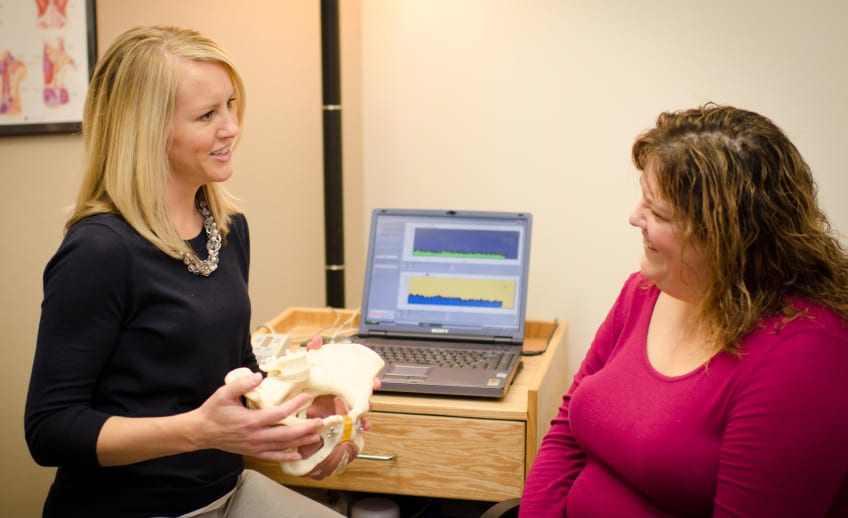
At Saunders Therapy Centers, Inc., we help people near and around Minnesota take control of their bladder health through personalized pelvic health physical therapy. Our team of experienced, licensed therapists works closely with you to understand your situation and create a plan that helps you feel confident, active, and in control again.

What Exactly Is Incontinence?

Incontinence means losing control over your bladder. It can be as mild as a few drops when you sneeze or laugh, or as serious as not being able to hold it at all. There are different kinds of incontinence, such as:

  • Stress incontinence, when you leak during activities like coughing or exercising.
  • Urge incontinence, when you suddenly feel a strong need to go but can’t make it in time.
  • Mixed incontinence, which is a combination of both stress and urge incontinence.

Understanding the type you have helps determine the right treatment. That’s why it’s important to talk to a professional who specializes in pelvic floor therapy.

Why Does Incontinence Happen as We Age?

As we get older, our muscles, including the ones that support the bladder and pelvic organs, tend to weaken. Hormonal changes, surgeries, or certain medications can also affect bladder control. For women, childbirth and menopause can contribute to pelvic floor weakness. For men, prostate issues are a common cause.

Even though these changes are common with age, incontinence should never be accepted as “normal.” It’s a medical issue that can be improved or even eliminated with the right care.

1
Book Your Free 15‑Minute Therapist Call – No Obligation!


Is It Possible to Prevent Incontinence?

physical therapist explains pelvic anatomy using plastic modelYes, in many cases it can be prevented or reduced. Here are some healthy habits that can make a big difference:
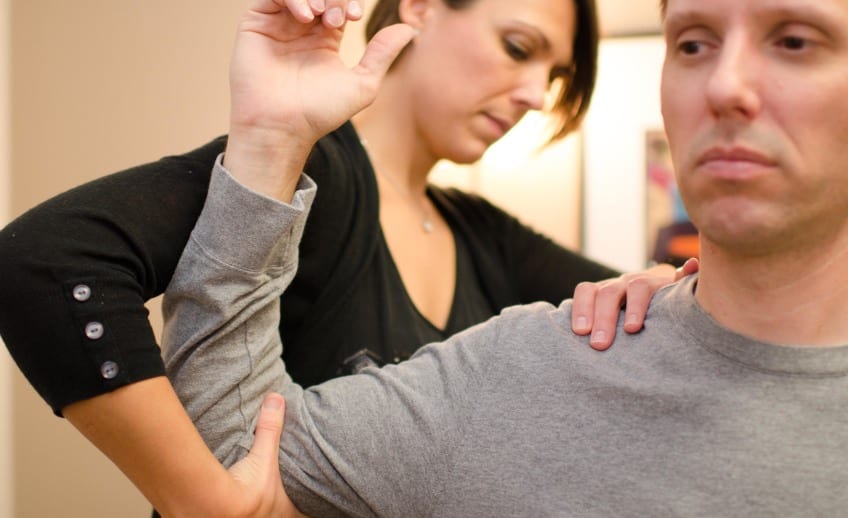
  • Stay active: Gentle exercises like walking and stretching help your body stay strong.
  • Do pelvic floor exercises: Known as Kegels, these strengthen the muscles that control your bladder.
  • Maintain a healthy weight: Extra weight can put pressure on your bladder.
  • Avoid bladder irritants: Caffeine, alcohol, and carbonated drinks can make symptoms worse.
  • Don’t “hold it” too long: This can train your bladder to misbehave over time.

Even if incontinence has already started, therapy can still help you regain control and confidence.

How Can Physical Therapy Help?

Physical therapy for incontinence focuses on training the pelvic floor muscles that control bladder function. These muscles can be strengthened and retrained just like any other muscles in your body. At Saunders Therapy Centers, Inc., our therapists use a gentle, step-by-step approach to help you understand your body and improve control.

You’ll learn:

  • Proper breathing techniques to reduce pressure on your bladder.
  • Exercises that target deep core and pelvic muscles.
  • Strategies for better bladder habits and posture.
  • Ways to reduce the urge to urinate too often.

Many patients see progress within just a few weeks and feel more confident in their daily routines.

What Makes Saunders Therapy Centers Different?

Since 1988, Saunders Therapy Centers, Inc. has served communities across Minnesota with a patient-first approach. We are proud to be 100% employee-owned, meaning every therapist and staff member has a personal investment in your care. You will always see the same therapist at each visit, so you can build a trusting relationship with someone who truly understands your journey.

We are independent, locally owned, and passionate about helping people live full, active lives at every age. Whether you need help with bladder control, pelvic pain, or post-surgery recovery, our team is ready to help you move forward with confidence.

What Do Our Patients Say?

I was so satisfied with all the treatment they gave me in my therapy, excellent friendly workers. I was so happy with the therapists, the therapist and the kindness, so I recommend them to my friends and family. I recommend them 100%.” – Anadely Salvador

The staff at the St Paul location was phenomenal! Couldn’t ask for better physical therapist. The care that is provided and the personal attention that they give you is above and beyond expectations. I would definitely recommend them. Thanks again you guys!!Jose Dominguez

What Are Some Common Myths About Incontinence?

physical therapist evaluates shoulder range of motion with male patientThere are many myths about incontinence that cause people to delay getting help. Let’s clear up a few:
  • Myth 1: Only older people get incontinence.
    Not true. It can affect younger adults, especially after pregnancy or surgery.
  • Myth 2: It’s just part of aging, and nothing can be done.
    False. Incontinence can be treated successfully with therapy and simple lifestyle changes.
  • Myth 3: Surgery is the only option.
    Most people improve with non-surgical treatments like physical therapy.
  • Myth 4: You should drink less water to avoid leaks.
    Wrong. Staying hydrated actually helps your bladder function properly.

How Does Incontinence Affect Daily Life?

Incontinence can be frustrating, embarrassing, and even isolating. Many people avoid social gatherings, exercise, or travel out of fear of accidents. Over time, this can affect confidence and emotional well-being.

At Saunders Therapy Centers, we understand the personal nature of this issue. That’s why our therapy sessions are private, comfortable, and focused entirely on your goals. Our therapists listen carefully, explain every step, and celebrate your progress with you.

When Should You See a Specialist?

If you experience any of these symptoms, it’s time to seek help:

  • Frequent urges to urinate
  • Leaking when laughing, sneezing, or exercising
  • Difficulty holding your bladder overnight
  • Avoiding activities because of bladder concerns

Don’t wait until the problem gets worse. The sooner you begin treatment, the easier it is to regain control.

FAQs About Incontinence

1. Is incontinence only a problem for seniors?

No, it can happen at any age. While it’s more common in older adults, younger people can experience it too.

2. What happens during pelvic health therapy?

You’ll work privately with a physical therapist who teaches you simple exercises and techniques to strengthen your pelvic floor and improve bladder control.

3. How long does treatment take?

It depends on your condition, but most people notice improvement within a few weeks of consistent therapy.

4. Do I need a doctor’s referral to start therapy?

No. At Saunders Therapy Centers, you can begin treatment directly without a referral.

5. Can lifestyle changes really make a difference?

Yes. Simple habits like drinking enough water, avoiding caffeine, and doing daily exercises can help improve bladder control.

1
Schedule Your Same‑Day Pain Screening


Can You Really Take Control of Incontinence?

occupational therapist assists client handling boxAbsolutely. With the right guidance, patience, and expert care, you can make a real difference in your bladder health. You don’t have to live with worry or embarrassment. Saunders Therapy Centers, Inc. has helped countless people across Minnesota rediscover comfort, confidence, and control.

Our team of licensed pelvic health specialists understands the physical and emotional challenges that come with incontinence. We provide compassionate, professional care designed to fit your individual needs.

If you’re tired of feeling limited or anxious about bladder control, now is the time to take action. Reach out to Saunders Therapy Centers, Inc. today to schedule your first appointment. Visit us or call one of our nearby locations in Bloomington, Maple Grove, or St. Paul.

You deserve expert care, lasting results, and the freedom to live life without limits. Let Saunders Therapy Centers, Inc. help you take the first confident step toward better health today.

Help spread awareness and let others know that incontinence is treatable with expert care from Saunders Therapy Centers, Inc. near Minnesota! [Click here!]

physical therapist performing lumbar spine joint mobilization

Can Physical Therapy Help with Postpartum Recovery?

Key Takeaways

  • PT Solves Postpartum Issues: Physical Therapy effectively treats leaking, core weakness (Diastasis Recti), and chronic pain in the back, hips, and scars.
  • Whole-Body Recovery: PT addresses more than the core, including wrist pain (“Mommy Thumb”), painful intimacy, and provides safe return-to-exercise plans.
  • No Referral Needed (Minnesota): Saunders Therapy Centers offers direct access, allowing you to schedule a free consultation immediately without a doctor’s referral.

occupational therapist assists client with ball exercise in maple grove gymPhysical Therapy (PT) is one of the single best ways to heal your body and regain strength after pregnancy and childbirth. For moms near or surrounding the Twin Cities area, PT isn’t just for sports injuries anymore; it is the solution for aches, pains, and common issues that often come with motherhood.

Bringing a new baby into the world is incredible, but let’s be honest: your body might not feel like it belongs to you anymore. You may have noticed things like stiffness, pain, or even some accidental leaking when you cough or laugh.

At Saunders Therapy Centers, Inc., we believe a “good enough” recovery is simply not good enough. We are experts in movement and pain relief, and we are ready to help you feel stronger than ever.

What Is the Pelvic Floor and Why Does It Matter After Having a Baby?

The pelvic floor is a group of muscles that act like a hammock supporting your bladder, uterus, and bowels. Think of it as the power center of your core!

After carrying a baby for nine months and going through labor, these muscles can become weak, tight, or damaged. When the pelvic floor is struggling, you might experience issues like:

  • Leaking: When you pee a little bit when you sneeze, laugh, or jump.
  • Pain: Feeling pain during intimacy or just everyday discomfort in your hips or lower back.
  • Feeling Heavy: A feeling of “heaviness” or pressure “down there.”

A specialized Physical Therapist at Saunders Therapy Centers can evaluate these muscles and create a safe, gentle plan to help you restore strength, control, and confidence. It’s about retraining your body so it can support you for years to come.

1
Book Your Free 15‑Minute Therapist Call – No Obligation!


What is Diastasis Recti (Tummy Gap) and How Do I Fix It?

During pregnancy, the two main muscles of your six-pack (your abs) stretch apart to make room for your growing baby. This separation is called Diastasis Recti.

For many women, this gap naturally closes a few months after birth. But if the separation is still there, it can make your tummy look puffy, and more importantly, it can lead to back pain and a weak core.

Instead of doing endless crunches (which can actually make the gap worse!), a physical therapist teaches you how to engage your deepest core muscles correctly. We use safe, targeted exercises to gently bring those muscles back together, giving you better core strength and stability for lifting, carrying, and chasing your little one.

Is Postpartum Pain Just Normal? What About My Back, Hips, and Tailbone?

Many new moms are told that back pain or hip pain is “just part of being a mom.” We disagree! While some discomfort is common, persistent pain is a sign that something needs attention.

Common Areas for Postpartum Pain We Treat:

  • Pelvic Girdle Pain (PGP) / SI Joint Pain: This is pain in the joints that connect your pelvis to your spine. During pregnancy, hormones loosen these joints, and after birth, they can sometimes stay unstable or become painful. Physical therapy helps stabilize these joints and strengthen the muscles around them.
  • Low Back Pain: From carrying your baby, nursing, and just the general changes your body went through, your lower back can take a beating. We look at your posture and teach you how to move in ways that protect your back.
  • Coccyx Pain (Tailbone Pain): Sometimes, the tailbone can get bruised or injured during childbirth, leading to a lot of pain when sitting. Our therapists can use gentle techniques to relieve this discomfort.
  • Rib and Upper Back Pain: Holding and feeding a baby, or even just sleeping in new positions, can lead to stiffness and pain in your ribs and upper back. We can help loosen things up and improve your comfort.

I Had a C-Section! Can PT Still Help Me? What About My Scar?

Absolutely! A C-section is a major abdominal surgery, and recovery is crucial. Physical therapy is incredibly beneficial for C-section recovery.

How We Help with C-Section Recovery:

  • Scar Management: Your C-section scar might feel tight, numb, or even painful. Our therapists use gentle techniques called scar mobilization to help the scar tissue become softer, more flexible, and less noticeable. This also helps reduce any “shelf” appearance above the scar.
  • Restoring Core Strength Safely: After an abdominal incision, it’s vital to rebuild your core strength the right way. We guide you through safe exercises to re-engage your deep core muscles without straining your healing tissues.
  • Pain and Posture: We also help with any general aches and pains that can come with recovering from surgery and taking care of a new baby.

If you had a vaginal birth with tearing or an episiotomy, we can also help with perineal scar management to reduce pain and tightness in those tissues.

What are Other Moms Saying About Saunders Therapy Centers?

We take your pain personally because we are 100% employee-owned. Our team is dedicated to helping local moms get back to enjoying life.

I was so satisfied with all the treatment they gave me in my therapy, excellent friendly workers. I was so happy with the therapists, the therapist and the kindness, so I recommend them to my friends and family. I recommend them 100%.” — Anadely S.

Great experience, family oriented. Comfortable with all staff. If anyone needs physical therapy I would recommend Saunders Therapy Centers, 755 Prior Ave N, Saint Paul MN 55104. I’m a new person after going there. Great equipment to get me back together again.” — Jimell T.

5 Common Questions About Postpartum PT

1. When Can I Start Physical Therapy?

Most moms start pelvic health physical therapy around 6 weeks postpartum, after they have had their check-up with their doctor or midwife. However, we can help with pain and posture issues during pregnancy, too!

2. Do I Need a Doctor’s Referral?

In Minnesota, no, you do not need a doctor’s referral to see a physical therapist! This is called “direct access.” You can skip the waiting and call us today to schedule your evaluation.

3. Is This Just for Issues “Down There”?

Absolutely not! Postpartum recovery physical therapy addresses your entire body. We treat back pain, wrist pain (like “Mommy Thumb”), neck pain from holding and feeding the baby, scar tissue from C-sections or tearing, and hip instability.

4. Will My Insurance Cover Postpartum PT?

In most cases, yes! Physical Therapy is covered by most major insurance plans. Our team will always help you check your benefits ahead of time so you know exactly what to expect.

5. What Happens During a PT Session?

Your first visit is an easy conversation and a gentle assessment. We listen to your goals, check your posture, and assess your strength. Then, we work one-on-one, using a mix of hands-on therapy and simple, customized exercises that you can do at home.

1
Schedule Your Same‑Day Pain Screening


Stop Hurting, Start Living!

Photo of Maple Grove Industrial Rehab TeamIf you are dealing with any kind of pain or struggle after having a baby, you deserve a full recovery. Our team at Saunders Therapy Centers in Bloomington, Maple Grove, and Saint Paul are experts in women’s health and the most advanced techniques for getting your strength back.
Why choose us? We are local, independent, and 100% employee-owned. This means every therapist you see takes immense pride in giving you the best, most personal, and most effective care possible. We won’t rush you, and we won’t settle for “good enough” when it comes to your health. We are deeply invested in your recovery and truly care about helping you feel your best. Call today to schedule your FREE 15-minute phone consultation and talk to one of our movement experts about your recovery.

Did you find this information helpful? Share this article with other moms, friends, or family who might be struggling with postpartum recovery! [Click Here!]

physical therapist evaluates a patient's right knee

How Your Pelvic Floor Can Cause Constipation

Key Takeaways

  • Pelvic floor dysfunction can cause constipation. The muscles at the bottom of your pelvis need to relax for you to have a bowel movement. If they are too tight or not working correctly, they can make it very difficult to go to the bathroom.
  • Pelvic floor therapy is a key solution. A specialized physical therapist can help you learn exercises and stretches to relax and strengthen these muscles, providing long-term relief from constipation.
  • You don’t need a doctor’s referral. In Minnesota, you can go directly to a pelvic floor therapist for a consultation, making it easier to get the help you need.

Have you been dealing with constipation that doesn’t seem to go away? The problem might be related to your pelvic floor, a group of muscles at the base of your pelvis. When these muscles don’t work correctly, they can make it difficult to have a bowel movement, leading to chronic constipation. This article will explain how pelvic floor dysfunction can be the reason behind your constipation and what you can do about it.

Why Am I Suddenly Constipated All the Time?

Sometimes, constipation can come out of nowhere. If you’ve been eating healthy and drinking enough water, your pelvic floor might be the culprit. When your pelvic floor muscles are too tight or not coordinated, they can make it really hard to have a bowel movement. Instead of relaxing to let things out, they might clench up, making it feel like you’re pushing against a closed door.

What Do Pelvic Floor Spasms Feel Like?

Imagine a cramp in your leg, but in your pelvic area. That’s what a pelvic floor spasm can feel like. It can be a sudden, sharp pain or a constant, dull ache. These spasms are your muscles tensing up, which is the exact opposite of what they need to do when you’re trying to poop.

1
Book Your Free 15‑Minute Therapist Call – No Obligation!


Can Pelvic Floor Dysfunction Cause Bloating?

A woman performs an exercise under the guidance of a physical therapist in a clinical setting.Yes! When you’re constipated, the waste in your colon isn’t moving along like it should. This can cause a backup and lead to a feeling of fullness, pressure, and bloating in your belly. So, if you’re dealing with constant bloating and constipation, your pelvic floor could be the root cause.

Can Pelvic Floor Stretches Help With Constipation?

Absolutely! Gentle stretches can help relax those tight pelvic floor muscles. By stretching, you’re telling your muscles to calm down and release some of that tension. This can make it much easier for your body to do its job and have a bowel movement.

How to Relieve Pelvic Floor Constipation?

The best way to get relief is through something called pelvic floor therapy. A physical therapist who specializes in this area can teach you how to relax and strengthen your pelvic floor muscles. They’ll use different techniques, like gentle exercises and stretches, to help your body work the way it’s supposed to.

Here’s what some of our customers have to say:

“I was so frustrated with my constant constipation. After working with a pelvic floor therapist at Saunders Therapy Centers, I finally feel like myself again. It’s a life-changer!” – Jane D.

“I had no idea my pelvic pain was related to my constipation. The team at Saunders helped me understand my body better and gave me the tools to find relief. I’m so grateful!” – Mark T.

Who Needs Pelvic Floor Therapy?

Many different types of people can benefit from pelvic floor therapy. It’s not just for people who have had babies. If you have chronic constipation, bladder leaks, pain during sex, or other issues in your pelvic area, you might be a good candidate for this type of therapy.

Can I Do Pelvic Floor Exercises at Home?

Yes, you can! Your therapist will give you a list of exercises and stretches to do at home. These exercises are an important part of your treatment and will help you keep your muscles healthy and happy long after your therapy sessions are over.

When Not to Do Pelvic Floor Exercises?

It’s important to listen to your body. If you’re having a lot of pain or a flare-up of your symptoms, it might be best to take a break from your exercises and rest. Always follow the advice of your physical therapist. They know your specific situation and can tell you what’s safe for you.

1
Schedule Your Same‑Day Pain Screening


Frequently Asked Questions

  1. Is pelvic floor therapy just for women?
    No! Adults of any gender and children can have pelvic floor dysfunction too. Everyone has a pelvic floor, and everyone can benefit from therapy if they have issues.
  2. How long does it take to see results?
    Everyone is different, but many people start to feel better after just a few sessions. It takes time and practice, but the results are worth it!
  3. Do I need a doctor’s referral?
    In Minnesota, Saunders Therapy Centers is a direct-access provider, which means you can come in for a consultation without a referral from your doctor.
  4. Is it embarrassing to talk about?
    Not at all! Our therapists are professionals who have helped hundreds of people with similar issues. They’ll make you feel comfortable and understood.
  5. How do I get started?
    The best way to start is by calling our clinic to schedule a consultation.

Ready to Find Relief? We’re Here to Help!

Don’t let constipation and pelvic pain control your life. Saunders Therapy Centers, Inc. has been helping people in and around the St. Paul, MN, and entire Twin Cities area for over 30 years. Our team of expert physical therapists is here to help you get back to feeling your best. Call us today to schedule your consultation and start your journey to a happier, healthier you!

Help your friends and family learn about the link between pelvic floor health and constipation. Share this article on your favorite social media platform! [Click here!]

woman clutching abdomen indicating pain

What Are the Best Pelvic Floor Exercises for Bladder Control Problems?

Key Takeaway

  • Consistent pelvic floor exercises like Kegels can greatly improve bladder control; most people see results within 4–6 weeks when done correctly and regularly. 
  • Proper technique matters; activating the right muscles, at the right time, without straining other areas, is essential for effective results and avoiding further problems.
  • Professional guidance can speed up progress; therapists at Saunders Therapy Centers, Inc provide personalized plans and support for people in Bloomington, St. Paul, and Maple Grove to help them regain confidence and comfort.

physical therapist helps client with balance exercisesThe best pelvic floor exercises for bladder control problems are the ones that strengthen the muscles supporting your bladder, so you can prevent or reduce leaks. These exercises; like Kegels and certain gentle stretches, help improve muscle tone, increase control, and boost confidence. At Saunders Therapy Centers, Inc, we guide people in Bloomington, St. Paul, and Maple Grove through safe, effective pelvic floor routines tailored to their needs, so they can get back to living without constant worry about accidents.
What is The Pelvic Floor, anyway?

Think of your pelvic floor muscles as a hammock or a sling at the bottom of your pelvis. They support your bladder, your bowels, and for women, your uterus. When these muscles are strong, they act like a strong security guard, keeping everything in place and helping you control when you go to the bathroom. But just like any other muscle in your body, if you don’t use them, they can get weak.

How to Strengthen the Pelvic Floor for Bladder Control?

Strengthening your pelvic floor is actually pretty simple! The most famous exercise for this is called a Kegel. It’s a great way to start. But before you jump in, it’s super important to know you’re doing it right. Some people need to relax certain muscles before strengthening. Doing Kegels the wrong way, or at the wrong time, can make matters worse. It’s important to get guidance from a skilled pelvic floor physical therapist

1
Book Your Free 15‑Minute Therapist Call – No Obligation!


What is the Correct Way of Doing Pelvic Floor Exercises?

physical therapist performs visceral manipulation techniqueThis is the most important part! Imagine you’re trying to stop the flow of urine mid-stream. That’s the feeling you’re looking for. You’re squeezing and lifting the muscles inside.
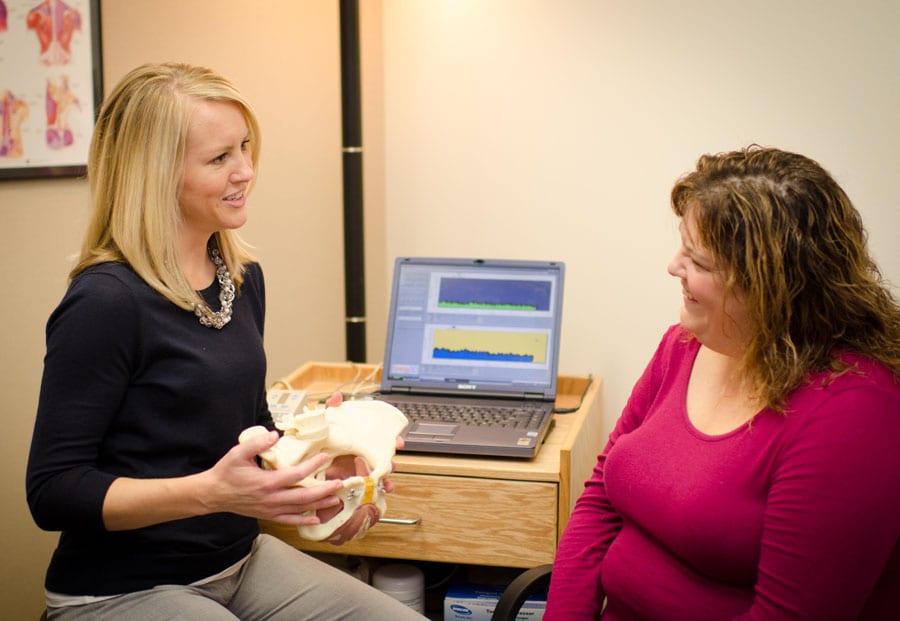
  • Find the right muscles: First, relax your belly, bum, and thighs. Focus on just those inner muscles.
  • Squeeze and lift: Squeeze those muscles and hold for about 5 seconds. You should feel a gentle lift inside.
  • Relax: Now, relax completely for about 5 seconds.
  • Repeat: Do this 10 times in a row. This is one “set.”

Many people find it helpful to imagine they are squeezing a marble with their pelvic floor muscles. It’s a good visual!

What Exercises Should You Avoid with Pelvic Floor Dysfunction?

While Kegels are great, some exercises can actually make things worse if you have a weak pelvic floor. High-impact exercises like running or jumping jacks can put a lot of pressure on your pelvic floor. Also, be careful with heavy lifting. These things aren’t bad, but if you’re experiencing bladder control issues, it’s a good idea to talk to an expert before you start a new, intense workout routine.

“I was so tired of feeling like I couldn’t trust my own body. After a few sessions at Saunders Therapy Centers in Bloomington, I learned how to properly do these exercises and the difference is amazing. I can go for walks with my grandkids without worrying!” – Carol M.

How Many Pelvic Floor Exercises a Day?

A good goal is to do your Kegel exercises 3 times a day. That’s three sets of 10 repetitions each. You can do them while you’re driving, watching TV, or even waiting in line at the grocery store. Nobody will even know you’re doing them! Consistency is key. It’s better to do them a little bit every day than to do a lot all at once and then forget for a week.

How Long Does It Take to Strengthen the Pelvic Floor?

Patience is important. Just like with any muscle, it takes time to get stronger. You might start noticing a difference in a few weeks, but it can take a few months to see a big change. The key is to stick with it and make it a part of your daily routine.

What is the Simple Stretch to Stop Bladder Leakage?

A gentle bridge pose can help strengthen your pelvic floor while improving flexibility. Here’s how:

  1. Lie on your back with your knees bent and feet flat on the floor.
  2. Squeeze your pelvic floor muscles.
  3. Slowly lift your hips toward the ceiling.
  4. Hold for a few seconds, then lower down.

This move is simple, effective, and can be done almost anywhere.

1
Schedule Your Same‑Day Pain Screening


Customer Stories from Saunders Therapy Centers, Inc

“I never thought bladder control could improve at my age. The therapists at Saunders helped me feel comfortable and confident, and I saw results within weeks!” – Patricia, St. Paul

“After having my second baby, I struggled with bladder leaks. Saunders Therapy made me feel normal again. They were kind, professional, and gave me the tools I needed.” – Maria, Bloomington

Maple Grove’s team at Saunders was amazing! I went from worrying about leaks every day to feeling totally in control.” – Jill, Maple Grove

Frequently Asked Questions

Q1: Can men do pelvic floor exercises?

A: Yes! Men also have a pelvic floor, and strengthening it can help with bladder control and other issues.

Q2: Is it normal to feel a little sore after doing the exercises?

A: A little soreness is normal, just like with any new exercise. But if you feel pain, stop and talk to a physical therapist.

Q3: Can I do these exercises while I’m pregnant?

A: Absolutely! Pelvic floor exercises are often recommended during and after pregnancy to help with bladder control and recovery.

Q4: Will these exercises help with constipation?

A: Yes, a strong pelvic floor can also help with bowel movements and reduce straining.

Q5: What if I’m not sure if I’m doing them right?

A: That’s a great question! It’s very common to do them incorrectly. A physical therapist is the best person to help you learn the right technique.

Ready to Take Back Control of Your Bladder Health?

physical therapist evaluates a patient's right kneeIf bladder leaks are affecting your life, you don’t have to suffer in silence. At Saunders Therapy Centers, Inc, we’ve been helping people across Bloomington, St. Paul, and Maple Grove strengthen their pelvic floor and improve bladder control with proven, personalized methods.

Our therapists are compassionate, experienced, and ready to guide you every step of the way. Don’t wait, your comfort and confidence matter. Call Saunders Therapy Centers, Inc today to schedule your pelvic floor evaluation and start your journey to better bladder control.

If you found this article helpful, share it with friends, family, or anyone who might be dealing with bladder control problems. Click here to share this article on your favorite social media: [Click here!]

physical therapist explains pelvic anatomy using plastic model

Beyond Leaks & Pain: Why Pelvic Floor Dysfunction Needs Expert Physical Therapy

physical therapist explains pelvic anatomy using plastic modelIt’s a secret many people carry, often suffering in silence. The unexpected leak when you laugh or sneeze. That persistent ache in your lower abdomen. Discomfort during intimacy that makes you dread closeness. If any of this resonates with you, you’re not alone. These seemingly isolated issues can actually be interconnected symptoms of pelvic floor dysfunction, a common but frequently misunderstood condition that impacts millions of lives, including many right here in Minnesota.

For too long, these symptoms have been dismissed as a “normal” part of aging, childbirth, or just something you have to live with. But at Saunders Therapy Centers, Inc., we firmly believe that living with pain, discomfort, or loss of control is not normal, and more importantly, it’s not necessary. There’s a highly effective, non-invasive solution that can significantly improve your quality of life: expert Pelvic Health Physical Therapy.

What is Pelvic Floor Dysfunction?

To truly understand pelvic floor dysfunction, let’s first talk about your pelvic floor itself. Imagine a hammock or a sling of muscles, ligaments, and connective tissues nestled at the base of your pelvis. This intricate network isn’t just there for support; it’s a dynamic powerhouse with crucial roles. Your pelvic floor muscles literally support your bladder, bowels, and, for women, your uterus. Beyond support, they also play a vital role in bladder and bowel control, sexual function, and even core stability.

When these muscles are working optimally, they contract and relax in perfect coordination, allowing you to go about your day without a second thought about holding your bladder or having a bowel movement. However, when these muscles become too weak, too tight, or simply uncoordinated, their ability to perform these essential functions is compromised. This is what we call pelvic floor dysfunction. It’s not always about weakness; sometimes, these muscles are overly tense and unable to relax, leading to a different set of challenges.

1
Book Your Free 15‑Minute Therapist Call – No Obligation!


Common Signs You Shouldn’t Ignore.

Man with Lower Back PainThe symptoms of pelvic floor dysfunction can be incredibly varied and often mimic other conditions, which is why it can be so hard to diagnose on your own. They can range from mildly annoying to profoundly impactful on your daily activities and emotional well-being.

One of the most frequently reported symptoms is urinary incontinence, which can manifest in different ways. You might experience stress incontinence, where urine leaks when you cough, sneeze, laugh, jump, or lift something heavy. Or perhaps it’s urge incontinence, characterized by a sudden, intense need to urinate that’s difficult to control, sometimes leading to accidental leaks before you can reach the bathroom. Many people also struggle with increased urinary frequency (feeling like you always need to go) or difficulty fully emptying their bladder.

Beyond bladder issues, bowel problems are also common. This can include constipation, often accompanied by straining, or a feeling of incomplete emptying after a bowel movement. Some individuals may experience fecal incontinence or difficulty controlling gas.

Then there’s pain. Pelvic pain can be persistent, dull, sharp, or pressure-like. It might be felt in the lower abdomen, groin, hips, low back, or even during sexual activity. For men, pelvic floor dysfunction can contribute to erectile dysfunction or pain during ejaculation. For women, it can lead to pain during intercourse or with tampon insertion. You might also notice a feeling of heaviness or pressure in the pelvic area, which can be a sign of pelvic organ prolapse, where organs like the bladder or uterus descend.

While these symptoms are common, it’s crucial to understand they are not normal and you don’t have to live with them. They are clear signals from your body that something isn’t quite right with your pelvic floor.

The Path to Relief: Understanding Your Options.

When faced with symptoms of pelvic floor dysfunction, many people first turn to their primary care doctor. While doctors can rule out serious medical conditions and may suggest some initial treatments, a truly effective and lasting solution often lies in specialized care. Medications can sometimes mask symptoms, and surgery, while necessary in some cases, is typically a last resort.

The most effective, non-invasive, and empowering way to address pelvic floor dysfunction is through Pelvic Health Physical Therapy. Think of it as specialized training for a crucial, yet often overlooked, group of muscles. Just as you’d see a physical therapist for a knee injury or back pain, a pelvic health physical therapist has advanced training to assess and treat the unique complexities of the pelvic floor. They don’t just focus on the symptoms; they get to the root cause of your dysfunction.

Reclaiming Your Life: Hope and Healing Are Possible.

smiling physical therapist working with supine patientThe short answer is a resounding YES! Living with pelvic floor dysfunction can indeed feel isolating and debilitating. It can limit your participation in social activities, exercise, and even simple daily tasks. The constant worry about leaks, the nagging pain, or the discomfort can erode your confidence and significantly impact your mental and emotional well-being. Many individuals report feeling embarrassed, anxious, or even depressed due to their symptoms.
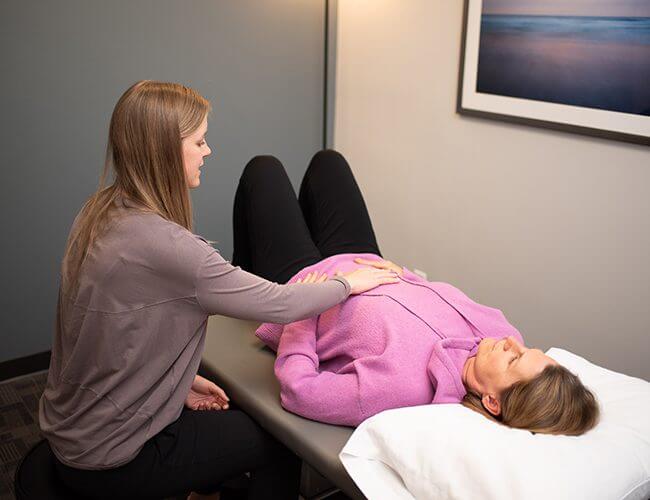
However, with the right approach and a dedicated team, a normal, active, and fulfilling life is absolutely within reach. Pelvic Health Physical Therapy is designed to empower you with the knowledge and tools to regain control of your body and overcome the challenges of PFD. It’s about more than just managing symptoms; it’s about restoring function, confidence, and peace of mind. Imagine being able to exercise without fear of leaks, enjoy intimacy without pain, or simply go through your day feeling comfortable and in control. This isn’t a pipe dream; it’s the reality that countless individuals have achieved with expert care.

Your Personalized Journey to Wellness at Saunders Therapy Centers.

At Saunders Therapy Centers, Inc. in Minnesota, we offer personalized care for pelvic floor dysfunction, understanding that each individual’s experience is unique. Your journey begins with a comprehensive assessment by our highly trained pelvic health physical therapists, who evaluate your symptoms, pelvic floor muscles, and their connection to your entire body. Based on this, we create a customized treatment plan using evidence-based techniques. These include Manual Therapy, Therapeutic Exercises (beyond just “Kegels”), Biofeedback for muscle control, in-depth Education about your condition and anatomy, and Lifestyle Modifications. Our goal is to not only relieve immediate symptoms but also to empower you with lasting tools and knowledge for independent, long-term pelvic health through self-care and personalized home exercises.

Choosing Excellence: The Saunders Difference in Minnesota.

At Saunders Therapy Centers, Inc., our employee-owned structure, established in 2021, ensures a heightened dedication and personalized patient experience. With over 30 years of experience, we’ve helped over 500,000 patients in Minnesota, building a legacy of rigorous education and advanced training, especially in pelvic health. As a direct access provider, you can start your physical therapy journey without a referral, often after a free phone consultation. Our Twin Cities clinics (Minneapolis, Saint Paul, and Bloomington) offer one-on-one, hands-on care in a welcoming environment, focusing on a holistic approach to address the root cause of conditions like pelvic floor dysfunction, rather than just symptoms. Your successful outcome is our ultimate goal.

1
Schedule Your Same‑Day Pain Screening


Frequently Asked Questions About Pelvic Floor Dysfunction & Therapy

Q1: Is Pelvic Floor Dysfunction only a women’s issue?

No, absolutely not! While often associated with women due to pregnancy and childbirth, pelvic floor dysfunction affects men and even children. Men and all genders can experience symptoms like urinary or fecal incontinence, pelvic pain, or sexual dysfunction related to their pelvic floor.

Q2: Are Kegel exercises the only solution for Pelvic Floor Dysfunction?

Many people think “Kegels” are the answer to all pelvic floor problems, but this is a common misconception. While Kegels (pelvic floor muscle contractions) can be beneficial for certain types of weakness, they can actually worsen symptoms if your pelvic floor muscles are already too tight or overactive. A pelvic health physical therapist will assess your specific needs and teach you the correct exercises, which may include relaxation, stretching, strengthening, and coordination, not just Kegels.

Q3: How long does Pelvic Health Physical Therapy take to work?

The duration of therapy varies greatly depending on the individual, the severity of their symptoms, and how long they’ve had the condition. Some people experience significant improvement within a few weeks, while others may require several months of consistent therapy. Your therapist will work with you to set realistic goals and provide an estimated timeline during your initial assessment.

Q4: Will my insurance cover Pelvic Health Physical Therapy?

Most insurance plans, including commercial plans, do cover physical therapy services. However, coverage can vary depending on your specific plan and deductible. We recommend calling your insurance provider directly or contacting Saunders Therapy Centers, Inc. for assistance in verifying your benefits. As a direct access provider in Minnesota, you can often begin therapy without a referral, though some plans may still require one for coverage.

Q5: Is it embarrassing to talk about pelvic floor issues?

It’s common to feel embarrassed, but please know that our pelvic health physical therapists are highly professional, compassionate, and have heard it all. They are dedicated to creating a safe, comfortable, and confidential environment where you can openly discuss your symptoms without judgment. Your privacy and comfort are our top priorities.

Saunders Therapy Centers Incontinence EducationDon’t let pelvic floor dysfunction control your life any longer. You deserve to live free from leaks and pain, with confidence and comfort. If you’re in the Minnesota area and experiencing any of these symptoms, we invite you to take the first step towards lasting relief.
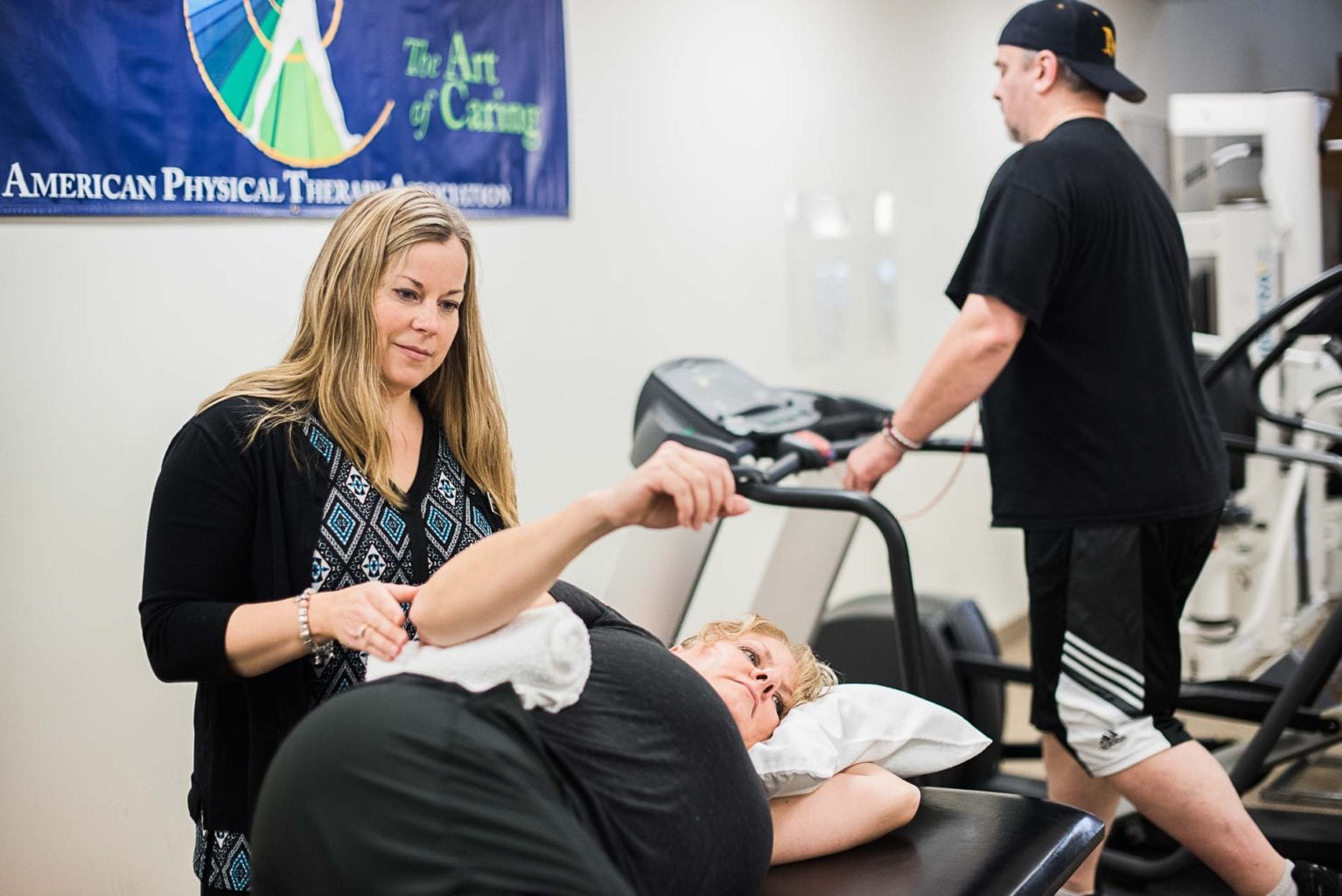
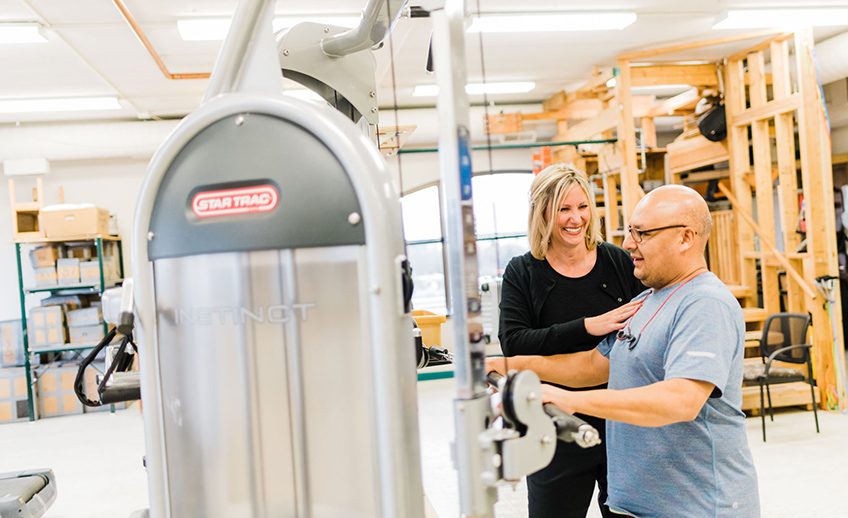
Contact Saunders Therapy Centers, Inc. today for a free phone consultation. Our dedicated team is ready to listen, answer your questions, and guide you on your personalized path to recovery. Visit our website or call us directly to schedule your appointment at one of our Twin Cities locations. Your journey to a healthier, more comfortable life starts here.

Did you find this article helpful? Help others in Minnesota discover the path to relief from pelvic floor dysfunction by sharing it with your friends and family. Share this article on your social media: [https://saunders-therapy.com/beyond-leaks-pain-why-pelvic-floor-dysfunction-needs-expert-physical-therapy/]

occupational therapist observing patient shoulder rotation exercises

Post COVID-19 Rehabilitation

Very little has been written about the rehabilitation needs of Covid-19 survivors after a long hospital stay or complications from the disease. Covid-19 can affect multiple body systems, including cardiac, neurological, and cognitive, and can cause mental health concerns and severe deconditioning.

Some people struggle returning to function after recovery from Covid-19. It can be difficult for patients to return to optimal activity because they don’t know how start or how to progress. Frustratingly, it’s easy to over-do exercise or activities without guidance, even if you were used to vigorous exercise before your illness. Our staff is uniquely positioned to help you regain as much function as possible, while following appropriate precautions to ensure your safety. Our approach entails:

Saunders Maple Grove Clinic

  • Cardiovascular endurance training – we start slow and progress as tolerated
  • Progressive, graded exposure to difficult activities/tasks – the key is adding a little at a time, with professional monitoring
  • Balance, coordination training – we are finding that many patients struggle with this, and we have many exercises and activities to challenge balance and coordination JUST ENOUGH, but not too much
  • Monitoring of vitals (e.g., O2, pulse, respiration, blood pressure) – we will monitor you closely to ensure good tolerance
  • Coaching on fear-avoidance; coaching on stress reduction strategies – fear and stress are a natural part of the recovery process for many of our patients
  • Other customized activities to meet identified needs (e.g., work simulation or modification/practice of activities of daily living)

Before beginning a rehabilitation program, we perform a thorough evaluation to ensure a good baseline and establish a safe program geared toward meeting YOUR SPECIFIC GOALS. We work with your physician as needed and send regular updates about your progress.

FAQs About Saunders’ Post Covid-19 Rehabilitation Programs

Q: Does my insurance cover Post Covid-19 Rehabilitation?
A: Most insurance plans cover physical therapy for functional problems like strength, endurance, pain, and cardiovascular/pulmonary problems, and these are the problems we would be treating. We can help you determine your insurance coverage if you call.

Q: Do I need a physician referral for treatment of Post Covid-19 symptoms?
A: While most insurances do not require a physician referral to start physical therapy we will verify your insurance coverage and their requirements. Please contact us to learn more. 

Q: Why is Saunders Therapy particularly well-suited for Post-Covid rehabilitation?
A: Prior to the pandemic, Saunders Therapy Centers specialized in progressive, graded exposure to painful or problematic activities, and customized training to improve function. We are experts at maximizing function. We have a large gym with a variety of exercise and job simulation equipment, with a great staff eager to help you get back to your best function. We are used to (and skilled at) working with clients with multi-factorial issues – not just a single body part.

Q: What can I expect in the evaluation?
A: At a minimum, your functional evaluation will include joint and muscle range of motion and strength testing, balance assessment, and exercise capacity assessment with a 6-minute walk test to establish a baseline. If your illness was work-related or involves significant work-related deficits, job-specific functional testing may be done. In some cases, a Work Hardening Program may be indicated.

Q: What type of treatment plan can I expect?

A: Most patients can reach full benefit by attending physical therapy sessions 2-3x/week, where you will work on a progressive program in our large gym, plus supplement in-clinic activities with a customized home exercise program. We can work with you on YOUR preferred schedule. Some people like infrequent visits and perform most of their exercises/activities at home, while others prefer (and need) more supervision with more frequent visits. You can expect to be followed by your therapist team for up to 6-8 weeks, depending upon your individual circumstances.